Today didn’t get off to the most fabulous start, as we got a bit turned around getting to Kyoto Station. As much as we love Kyoto, we have not had as much success with navigating public transport here as we’ve had in Tokyo and Osaka. For starters, there is more reliance here on the bus service, which we have not yet figured out. There is a subway, but it doesn’t have as much coverage of the city and there is much less information in English. We were spoiled in Tokyo and Osaka.
Anyway, we eventually got to Kyoto Station only to find that Hiroshima was a very popular destination and we couldn’t get on a shinkansen for another hour or so. Kind of a big deal, because Hiroshima is about an hour and 40 mins away from Kyoto on the shinkansen, so it really cut into our Hiroshima time. Even then, we could only get unreserved tickets (i.e. no guarantee of a seat) and we ended up standing for a good 30 mins of the journey.
Once we got to Hiroshima, we went straight to the JR office to book reserved seats on the return shinkansen that night. Bit of a wait but worth it. Couldn’t imagine the kids gracefully accepting the need to stand for an hour and a half after a day of walking around.
Hiroshima was really sunny and warm. Our JR passes gave us free use of the hop on-hop off bus around the major landmarks in Hiroshima, so we took advantage of that and went straight to the A-bomb dome.
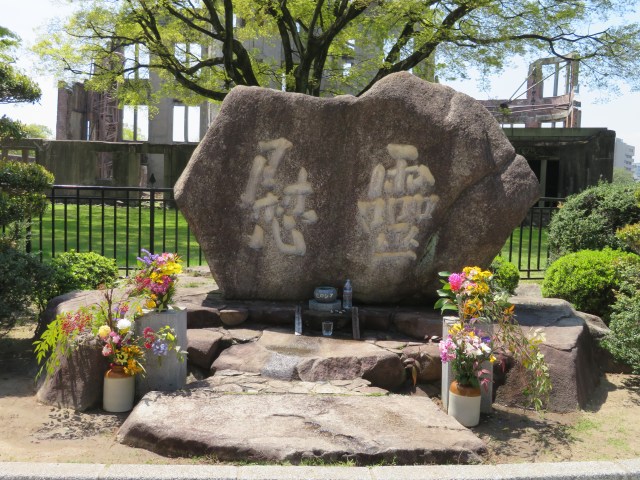
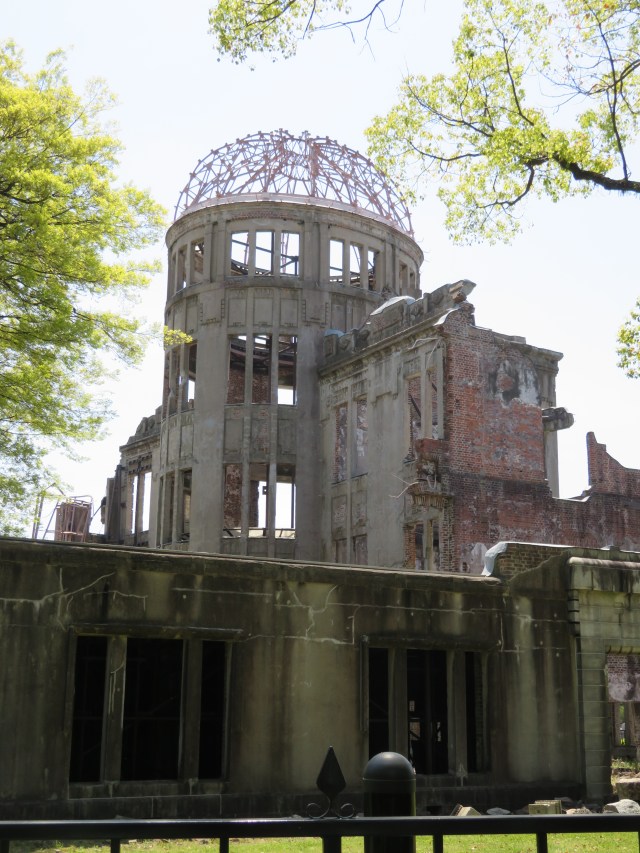
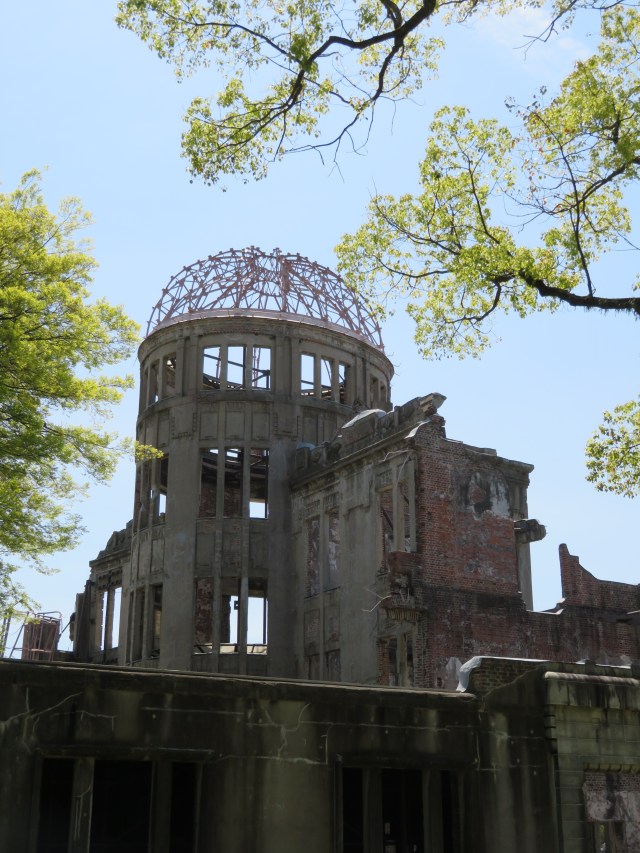
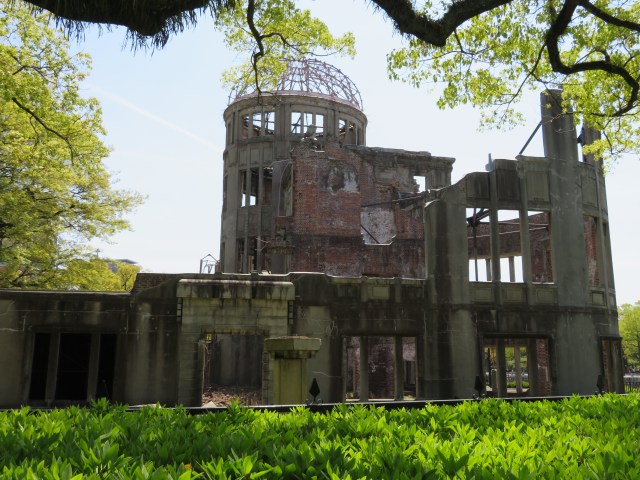
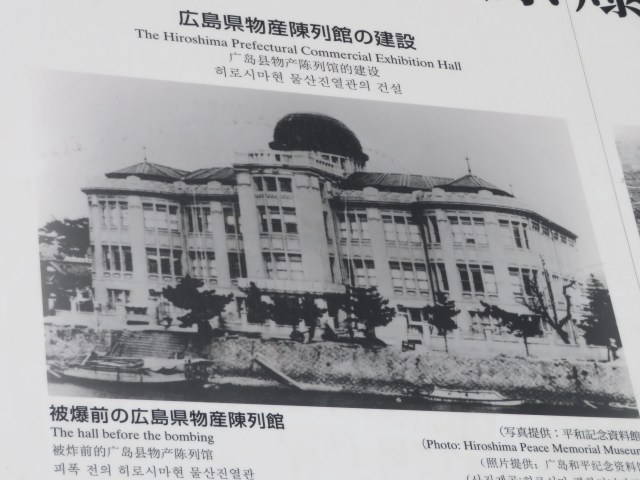
On 8.45am on 6 August 1945, the first atomic bomb to be used against humankind exploded about 600 metres over Shima hospital in Hiroshima. Nothing remained of the hospital, but a skeletal frame of the Hiroshima Prefectural Commercial Exhibition Hall stood nearby and it was decided to keep it as a memorial. It is known as the A-bomb dome. You will be able to see the reinforcing work that has been done over the years to keep the structure standing.
This is what it looked like before the bombing:
Now, like all the Hiroshima landmarks and memorials, the focus there is very much on ‘this must never happen again’ – seeking a ban on nuclear weapons and promoting peace.
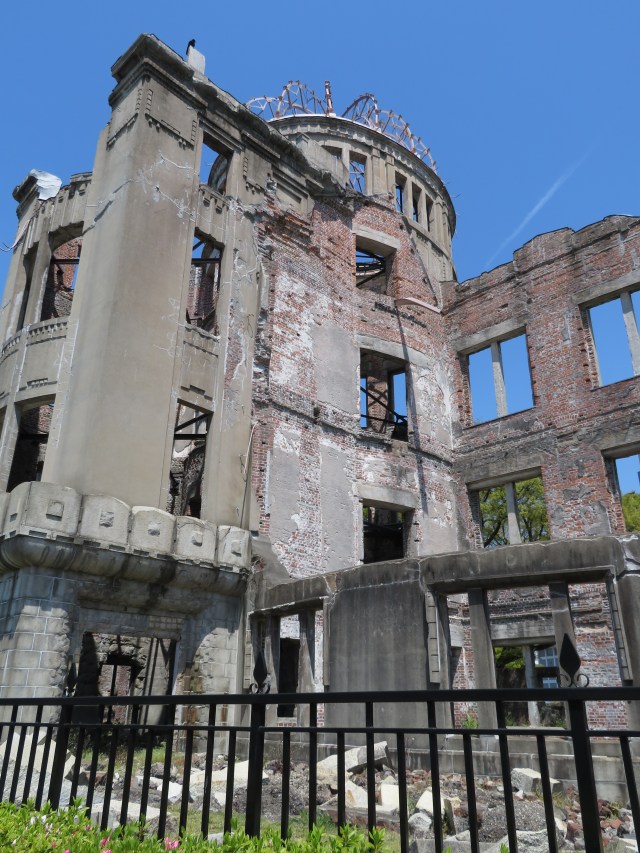
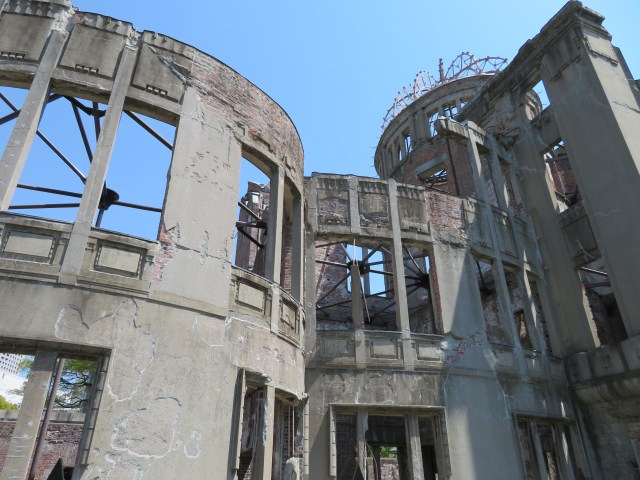
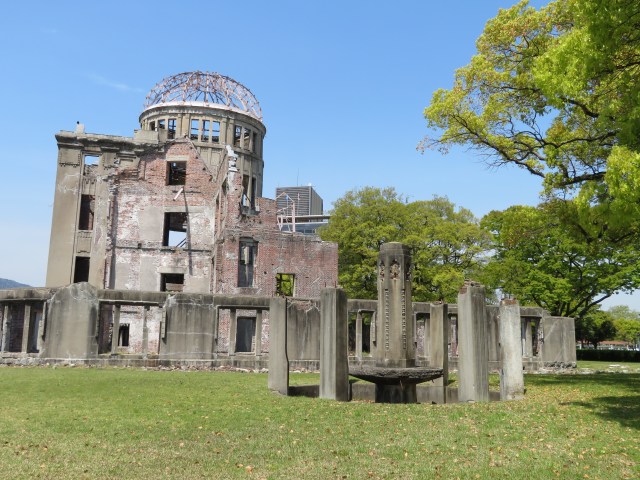
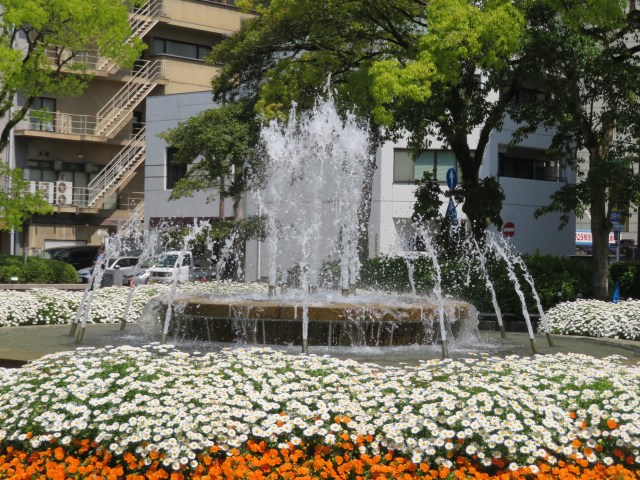
We sat next to this fountain to eat some lunch and ended up folding cranes with a lovely Japanese lady for a while.
This is the nearby Memorial Tower to the Mobilized Students. To make up for a labour shortage due to the war, the Japanese government had enacted the Student Labor Force Act – requiring students in middle school and above to work in munitions factories and doing building demolition (to create fire-breaks). A lot of those students were in Hiroshima city doing that kind of work on the day of the bombing. Of the 8,400 students in the upper level schools in Hiroshima, about 6,300 died on the day of the bombing.
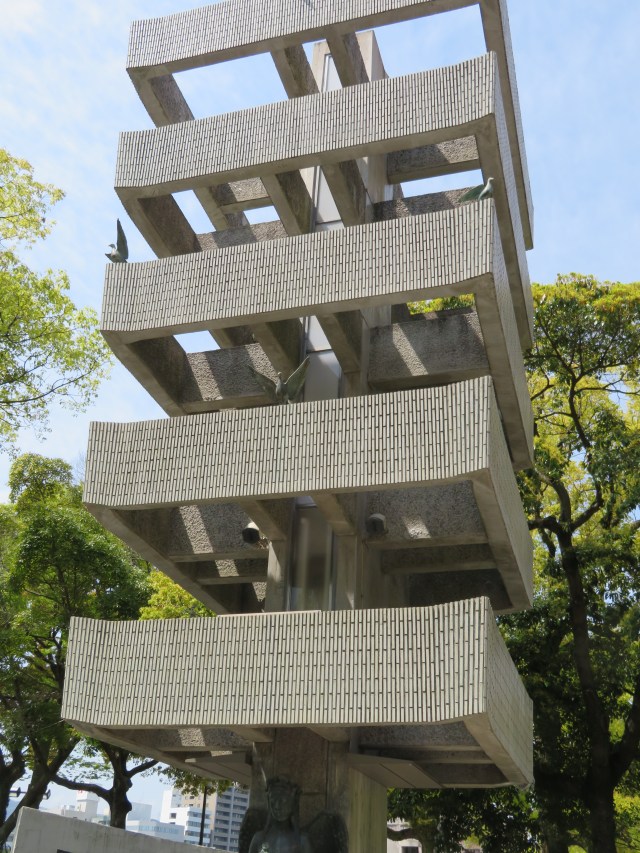
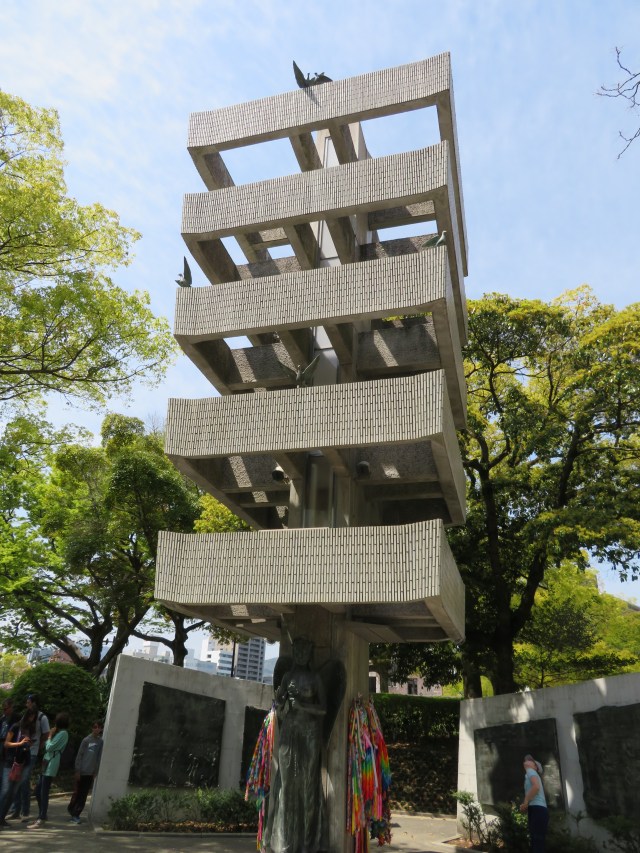
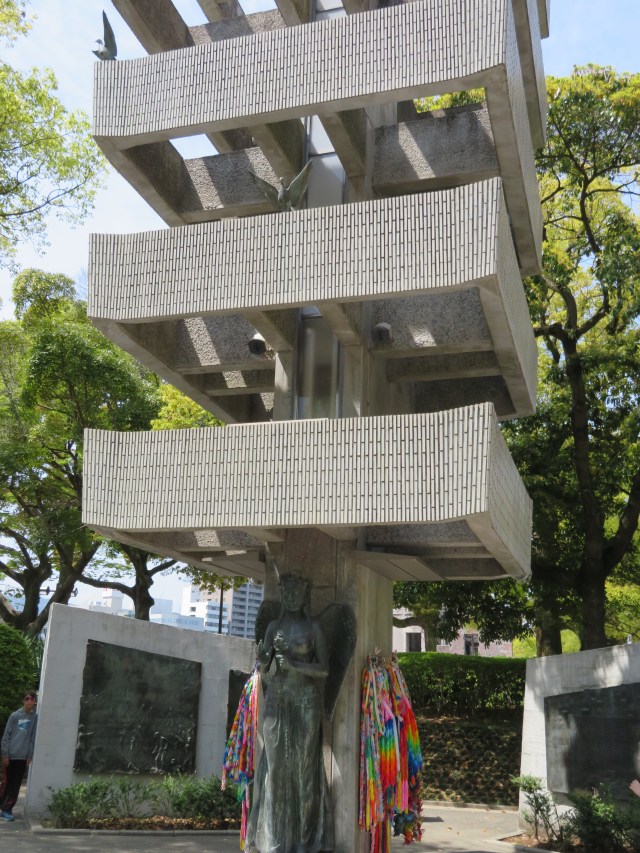
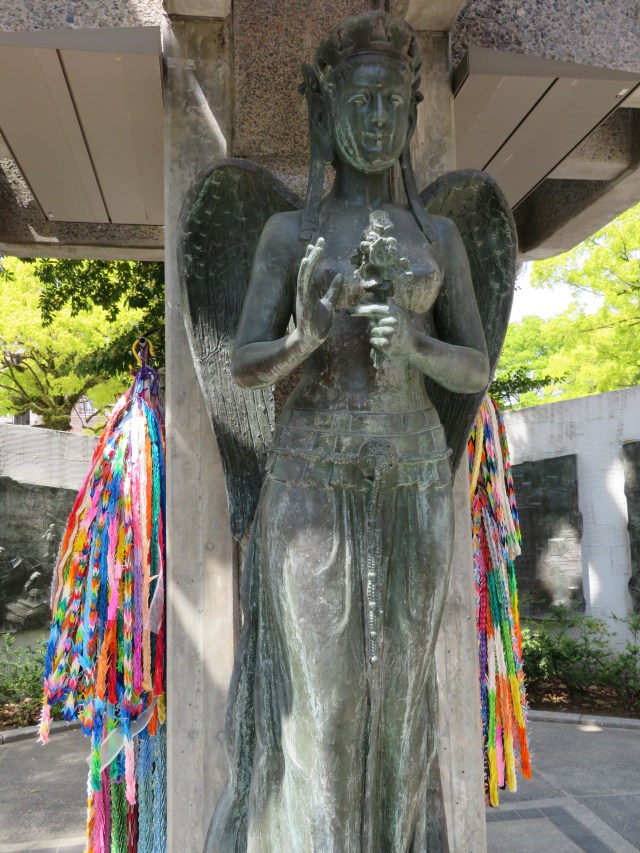
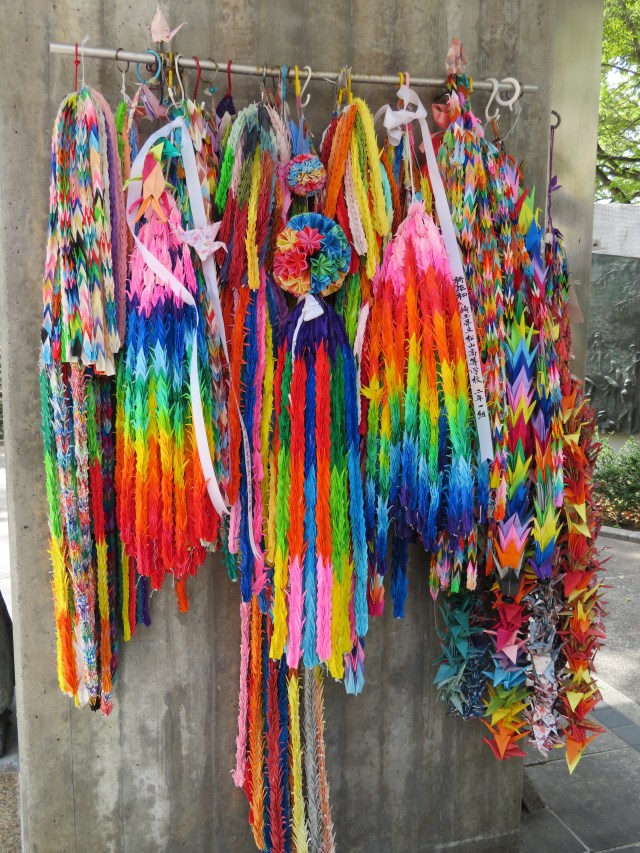
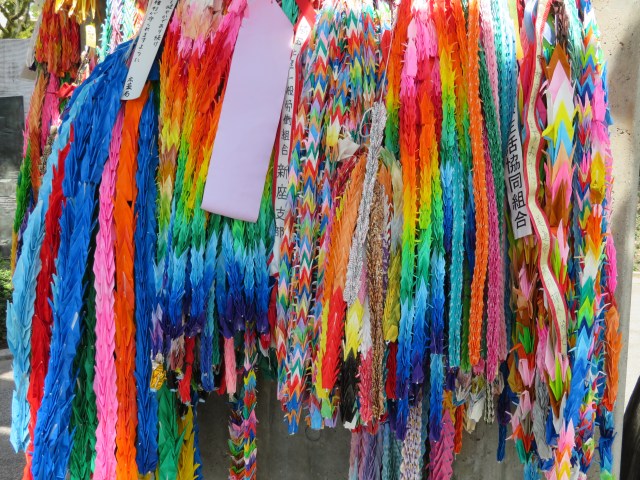
The goddess of peace stands at the front and 8 doves are featured around the tower. The colourful hangings you can see in the photos are strands of hundreds of origami cranes stacked on top of one another.
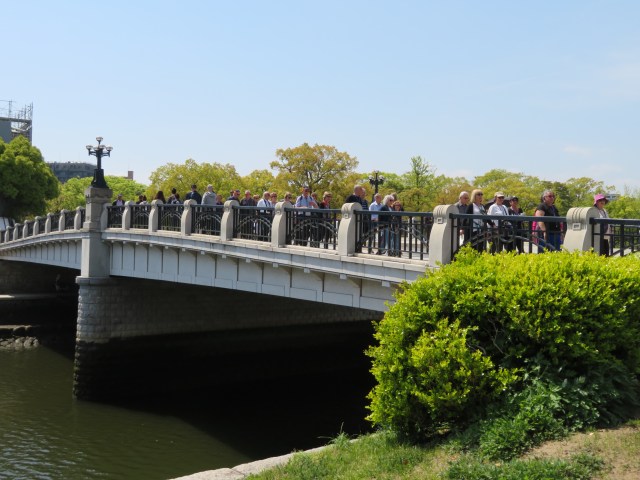
Next we crossed the Motoyasu Bridge – damaged but not destroyed in the bombing.
This is the Children’s Peace Monument – in memory of all the children who died as a result of the atomic bombing.
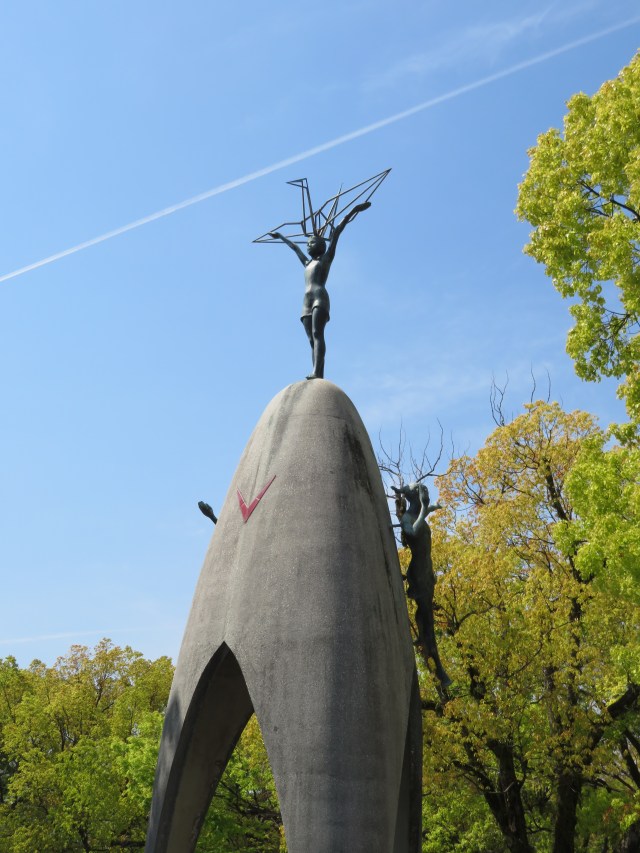
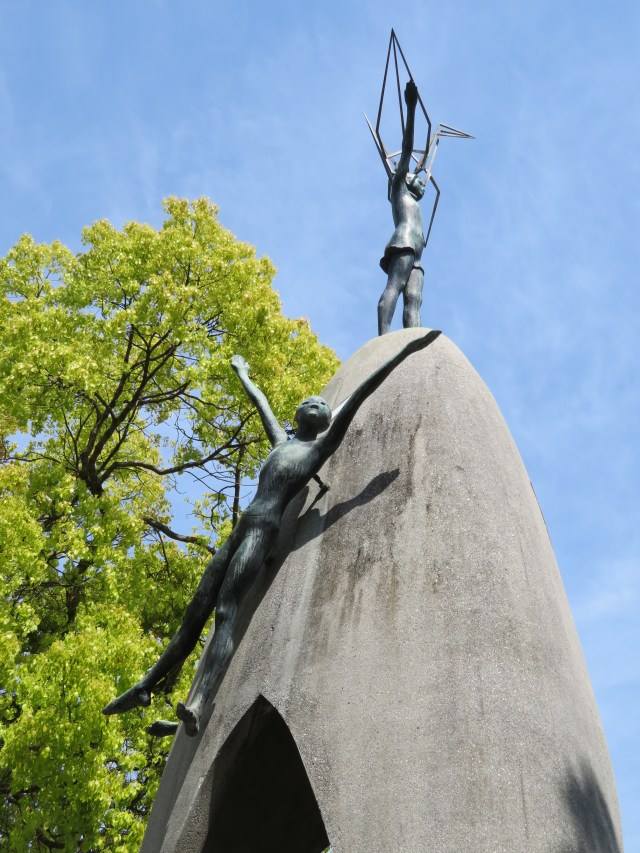
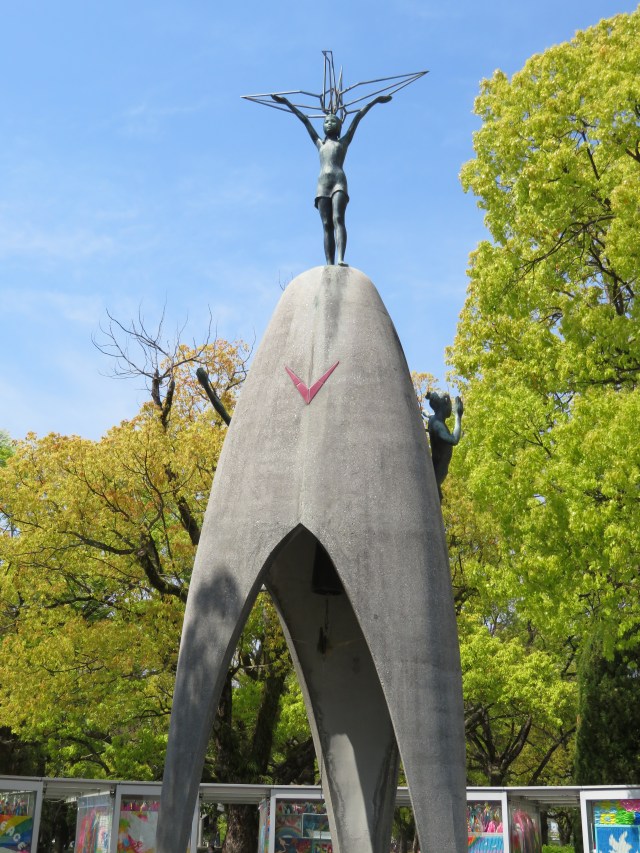
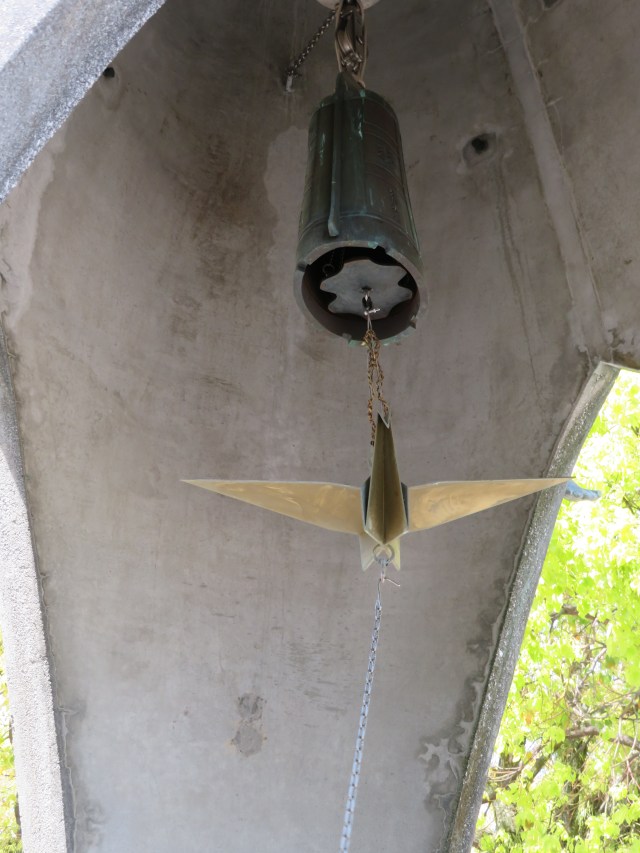
Originally it was inspired by Sadako Sasaki. She was 2 when the bomb fell, quite near her home, but she survived. However, she was exposed to radiation and later developed leukaemia and she died age 12. Her classmates were inspired to call for a memorial to all children who died as a result of the atomic bomb – again the focus is a call for peace.
We moved through the Peace Memorial Park to the Hiroshima National Peace Memorial Hall. This is a lovely, peaceful place to mourn the victims and think about peace. You walk down a spiral slope counter-clockwise – the impression is intended to be that you are travelling back in time to when the bomb exploded. The main room you arrive in is circular and all around the wall surface is projected the bombed cityscape – so you view the city as if standing in the hypocentre shortly after the bombing. 140,000 tiles make up the wall surface – the number of atomic bomb victims as at Dec 1945.
In the next room, photos and names of atomic bomb victims are displayed. You can look up individual victims if you know their names.
Then we went to an area where a film was playing. It was an account of the stories of three girls who died in the bombing. Two from the perspective of their families, as the girls died instantly. One though, was in the child’s own words, as she died a few days later. It was absolutely gutwrenching. She talked about being at school on a nearby island with two of her friends when they saw the parachutes and ran closer because they thought they were “pretty”. Then they saw a bright light that blinded them. They all survived the initial blast but as they tried to make their way towards help, her two friends died. She talked about feeling rain on her face, and drinking it – then throwing up blood later. It was the ‘black rain’ – mud, dust, soot and radioactive materials from the explosion. Poor old Maeve lost it at that stage. I think we all had tears at various times that day.
We took a walk outside in the sun for a while and then went to the Hiroshima Peace Memorial Museum. As well as telling the story of the development of the atomic bomb, the background to the decision to use it against Japan, the process of selecting target cities, what happened on the day and thereafter as a result of the bombing, and the ongoing use and development of nuclear weapons in the world, the museum also has exhibits on Hiroshima’s history – before and after the bombing.
The museum also collects and displays belongings left by the victims, photos and other items that convey the horror of the event. Clothing worn by victims on the day of the bombing. Glass bottles fused together by the heat. Photos of shadows of people on concrete walls or steps – indicating exactly where they were when the bomb went off. A little tricycle owned by a wee boy who died. Roof tiles melted by the heat (the surface temperature was 6000 degrees C).
And the photos of victims. Dear God. We didn’t let Maeve see that part of the exhibit.
You will have noticed that there are no more photos after the Children’s Peace Monument. That’s because we stopped taking them. You’re allowed to take photos in the Memorial Hall and the Museum, but it just didn’t seem right. We didn’t want to. I understand that they want to get the message out – never again – and that they don’t want what happened to be forgotten, but we’ll just remember it our way. People did take photos, but to us it just felt crass and inappropriate. Each to their own.
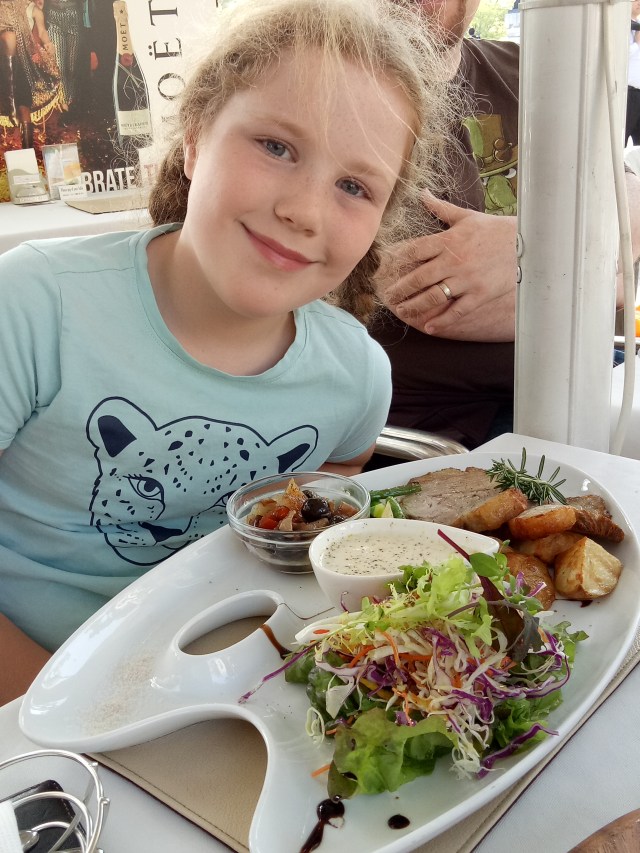
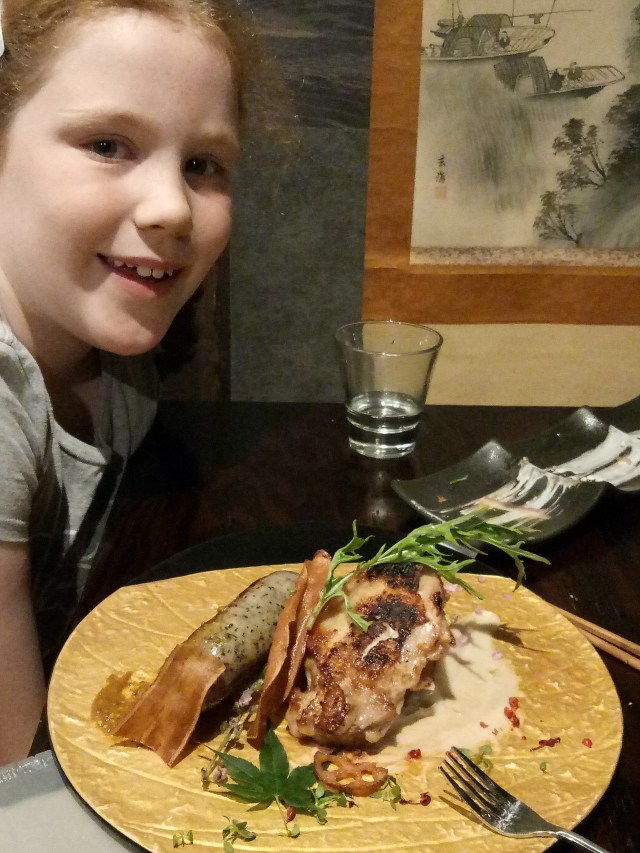
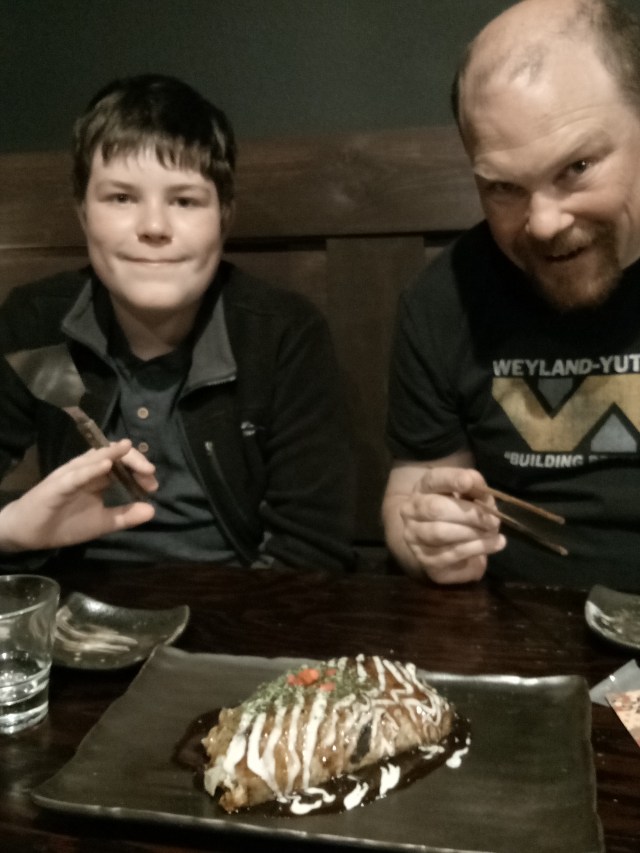
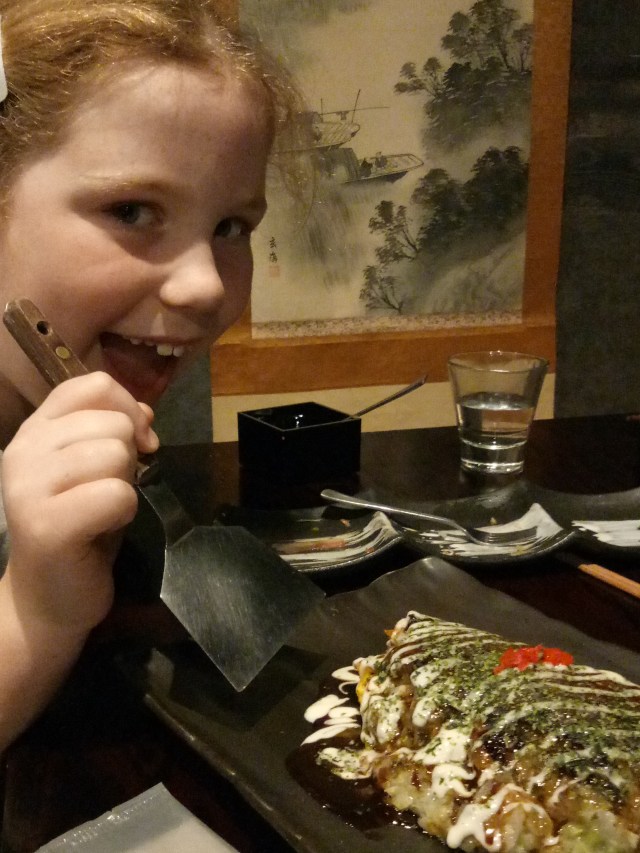
We were pretty wrung out at this point. Emotionally shattered. So we headed across the park to a place I’d heard about that had gluten-free options. We ate there outdoors and sat and people-watched for a while. Maeve was very happy with her food:
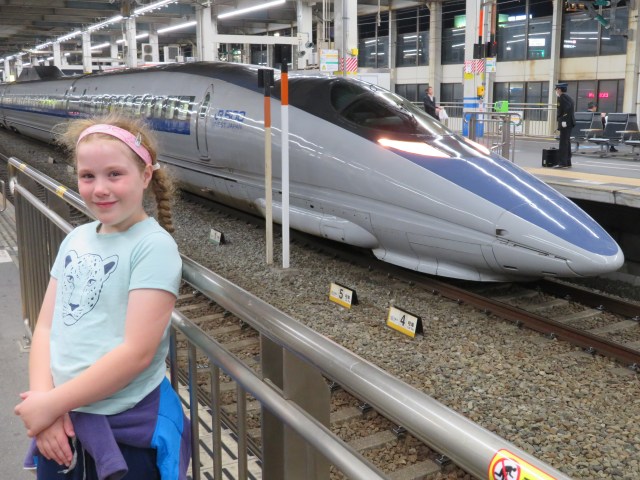
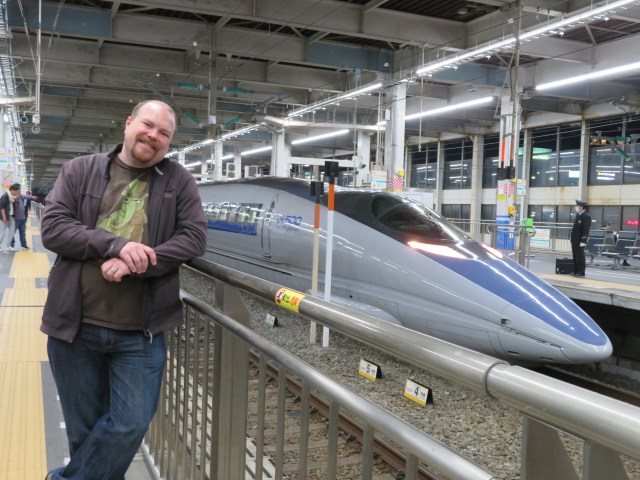
We rode the bus around one more time and then headed for the station to await our shinkansen. Maeve and Morgan were excited to see a shinkansen that was a different colour – and possibly more pointy.
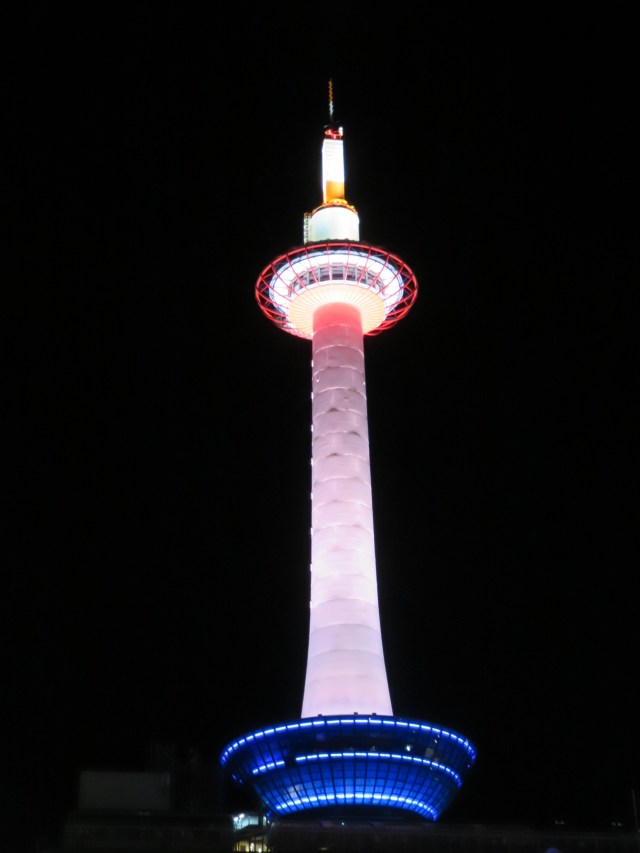
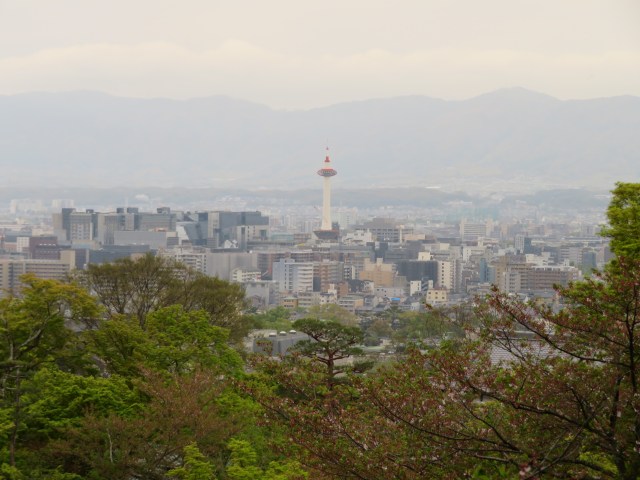
Got back to Kyoto pretty late. Got a shot of the Kyoto Tower all lit up.
Tomorrow we’ll be around Kyoto.

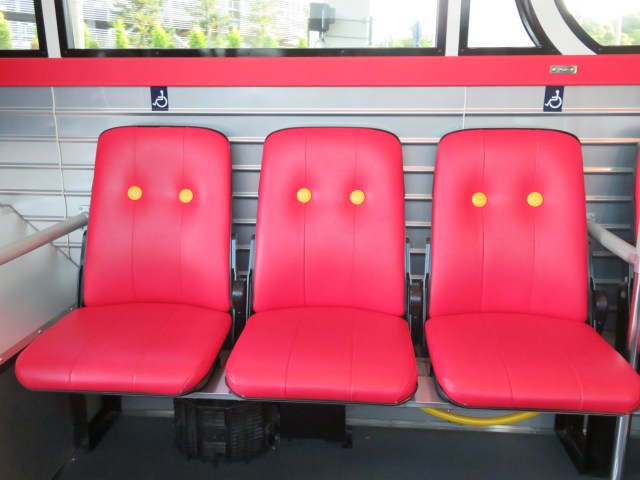
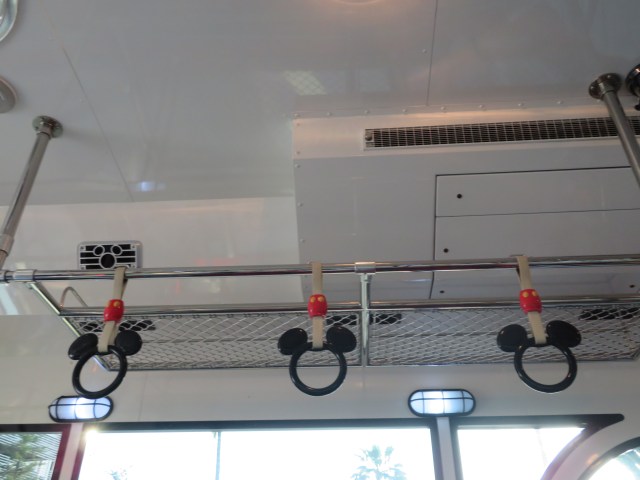
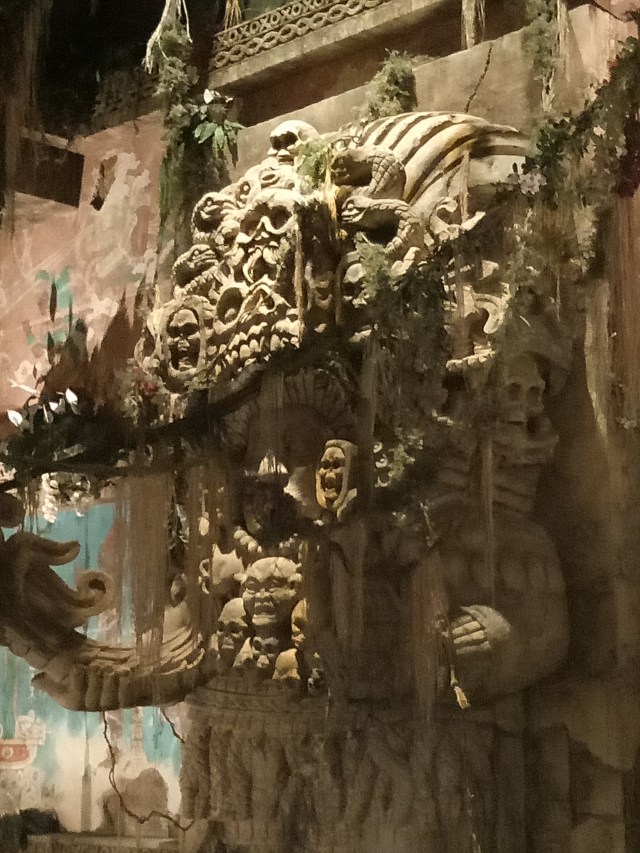
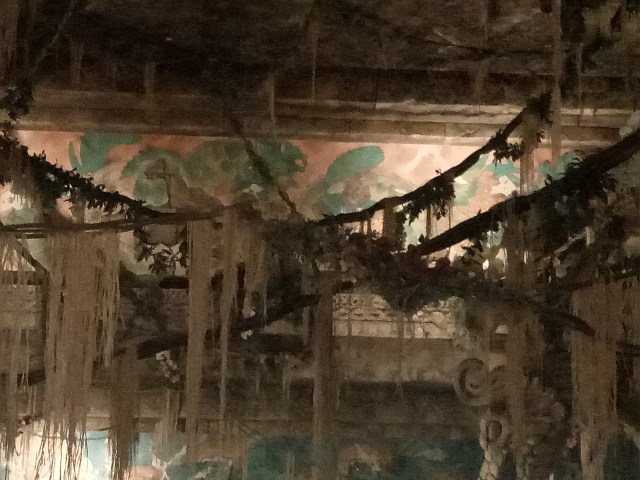
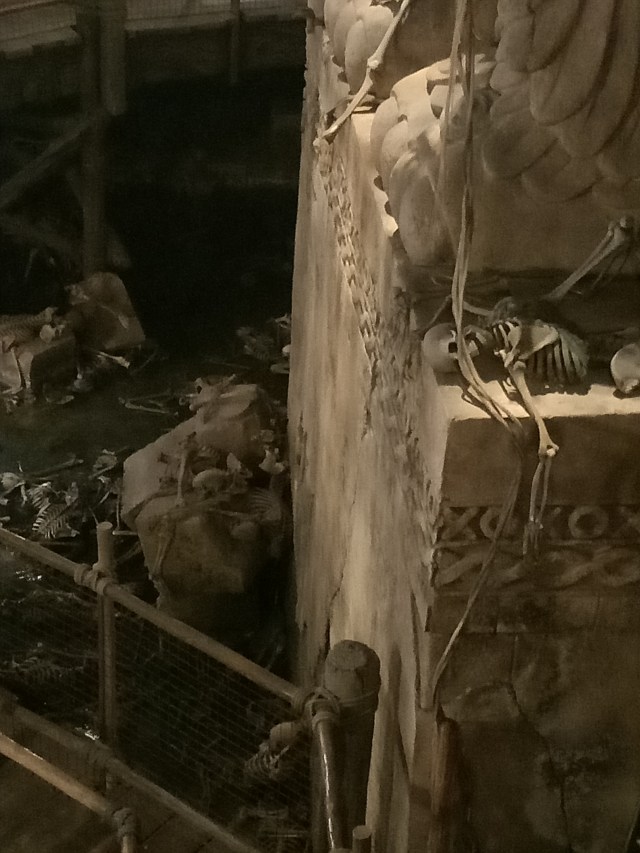
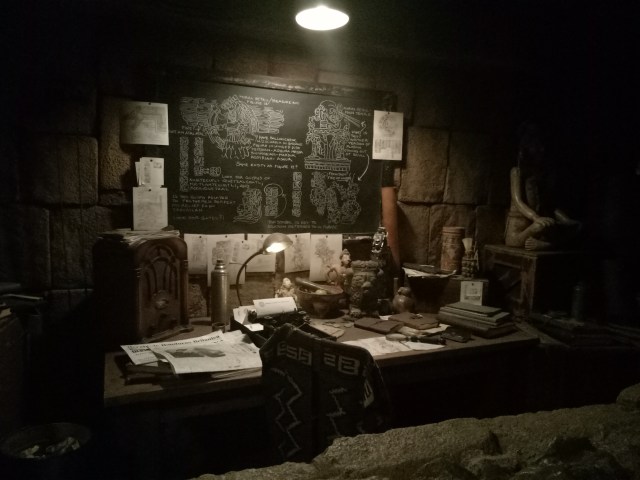
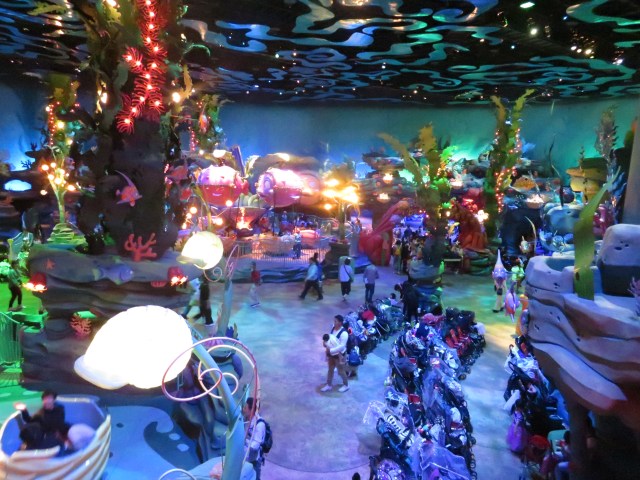
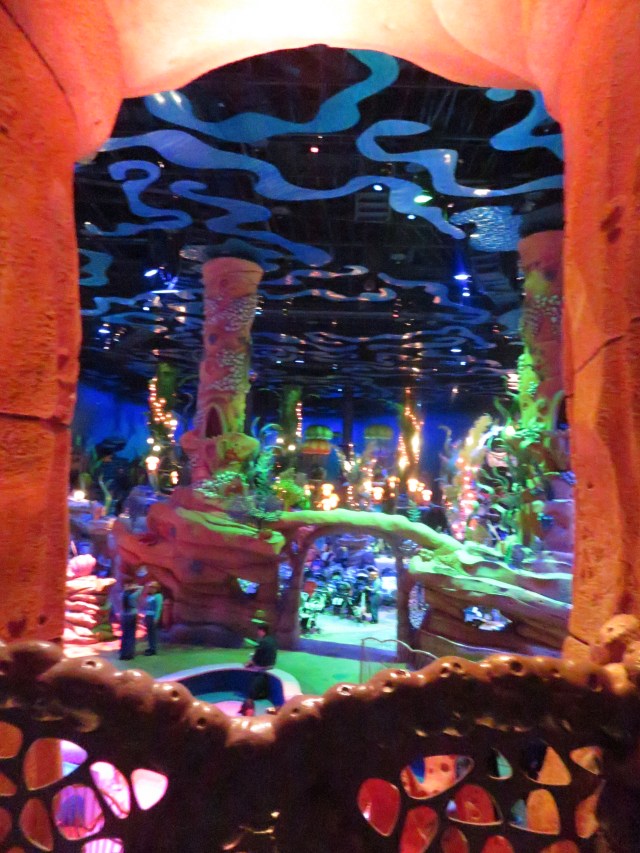
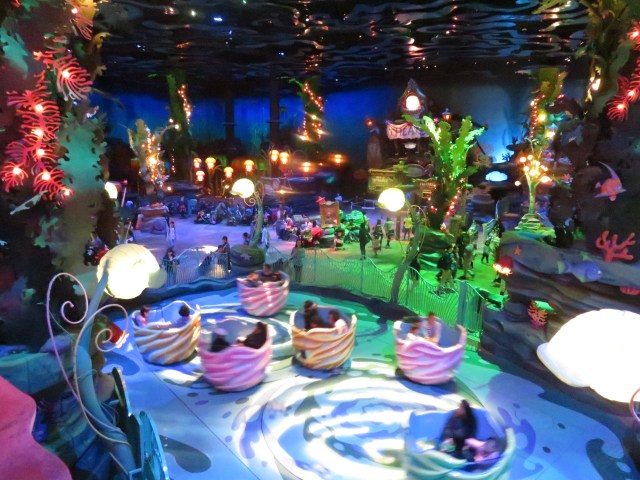
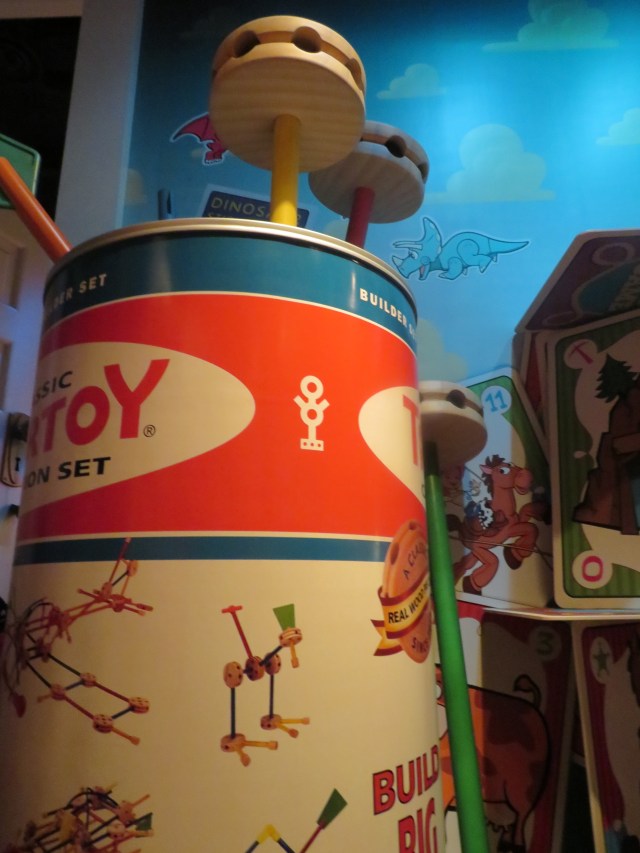
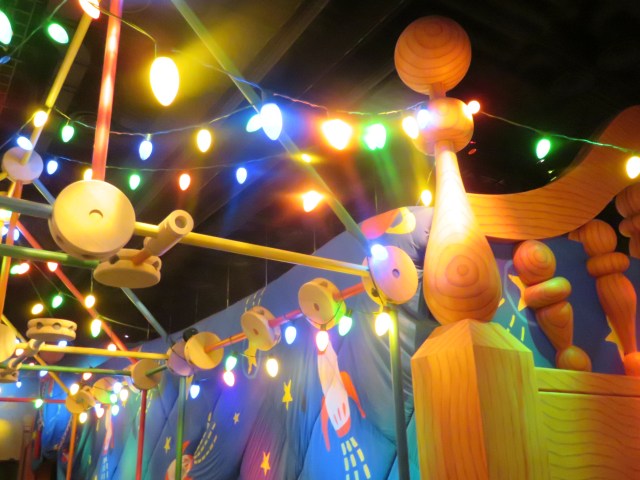
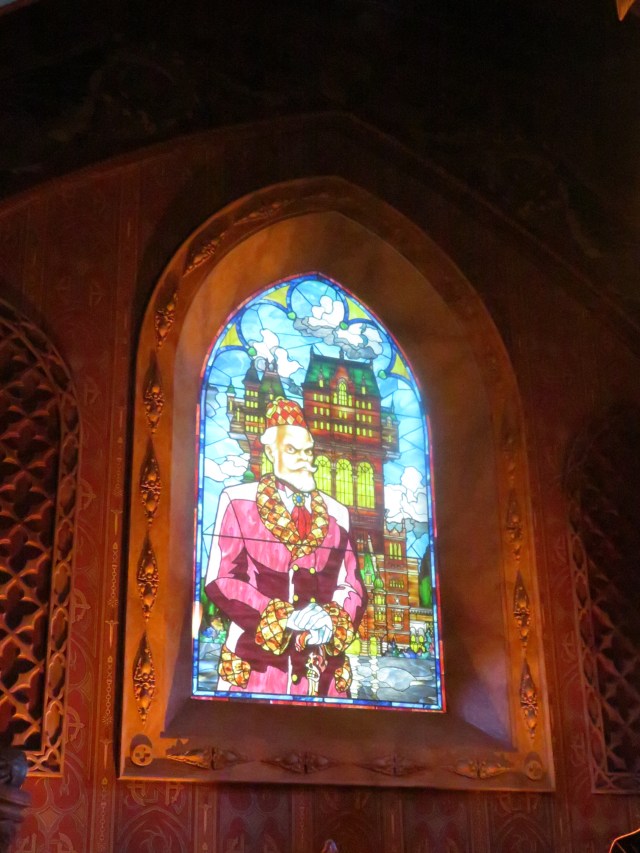
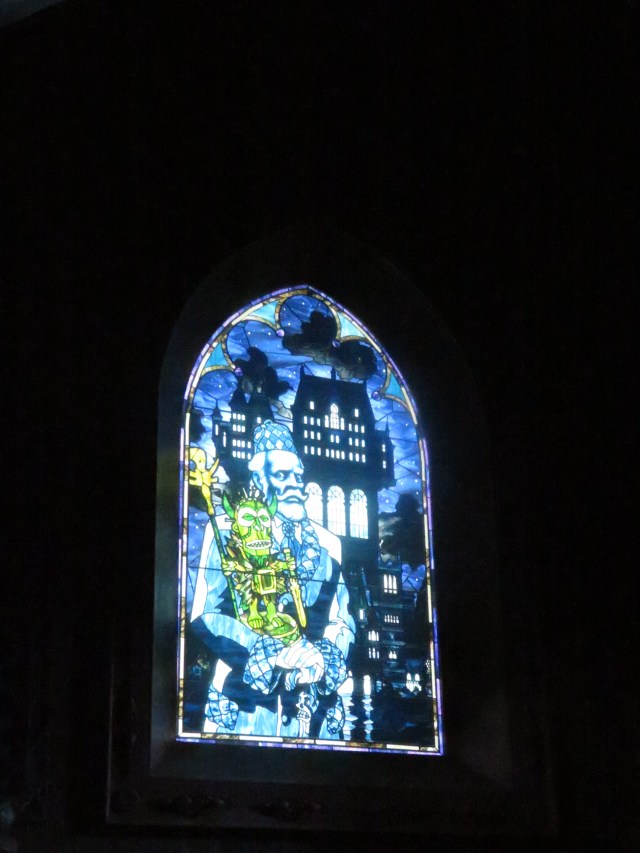
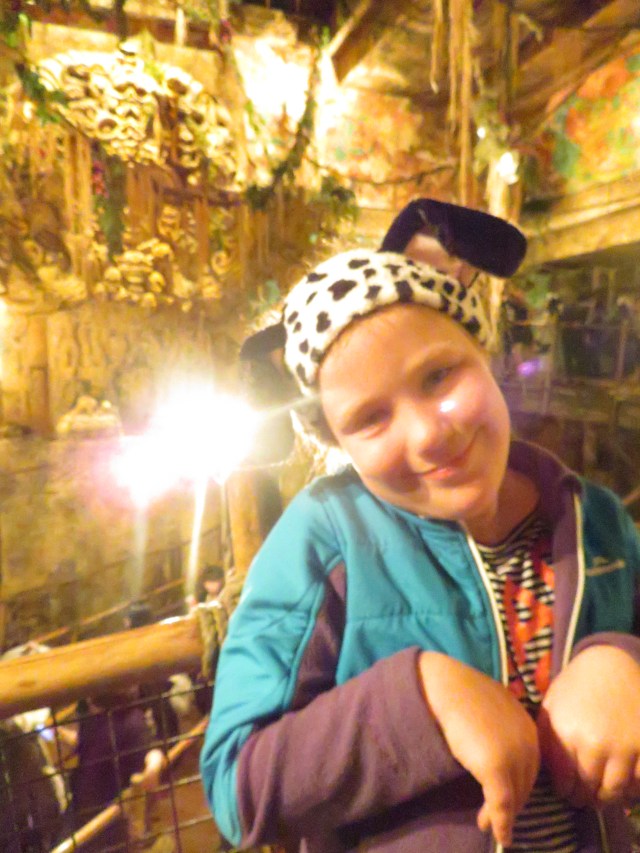
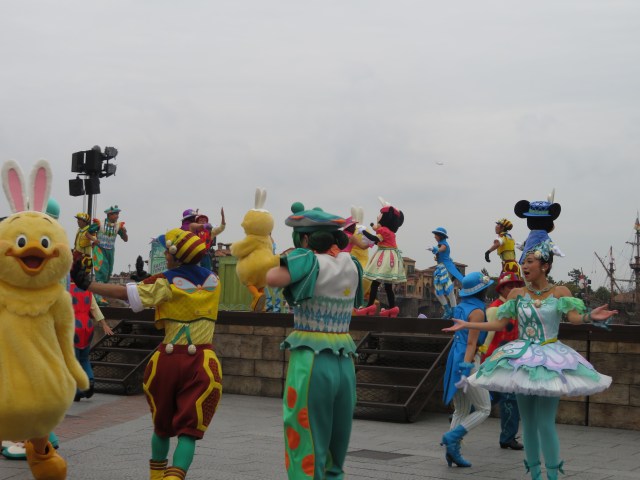
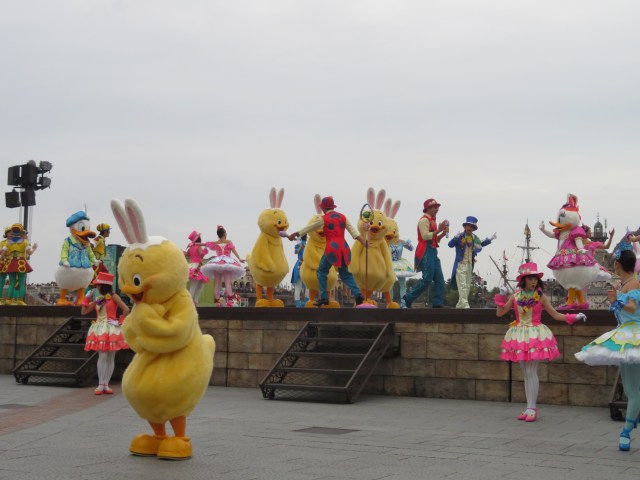
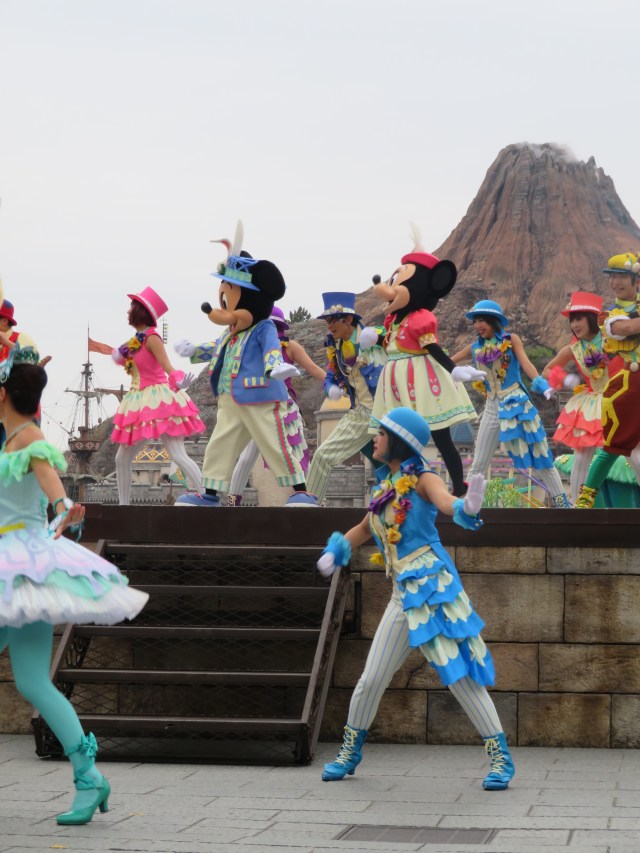
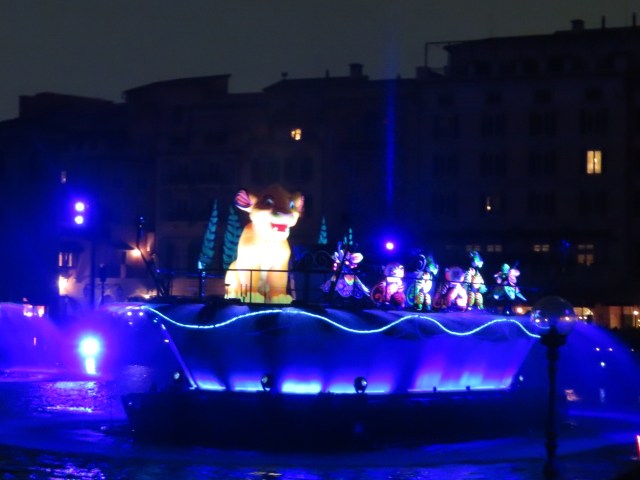
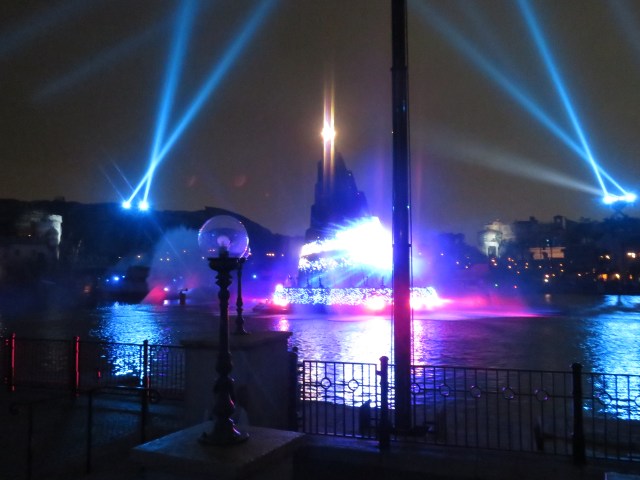
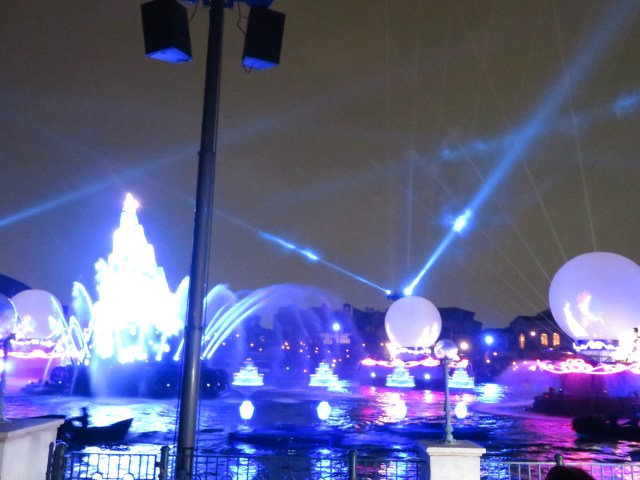
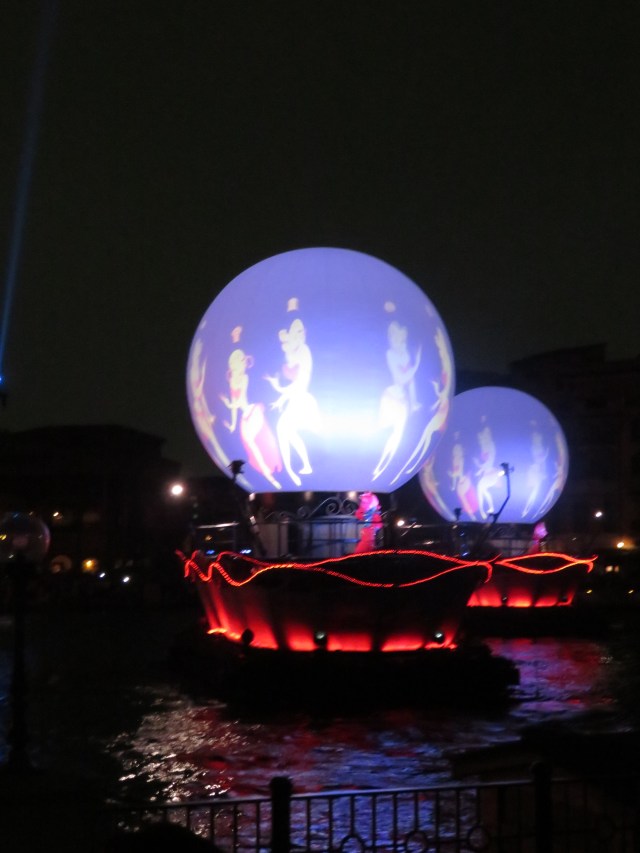
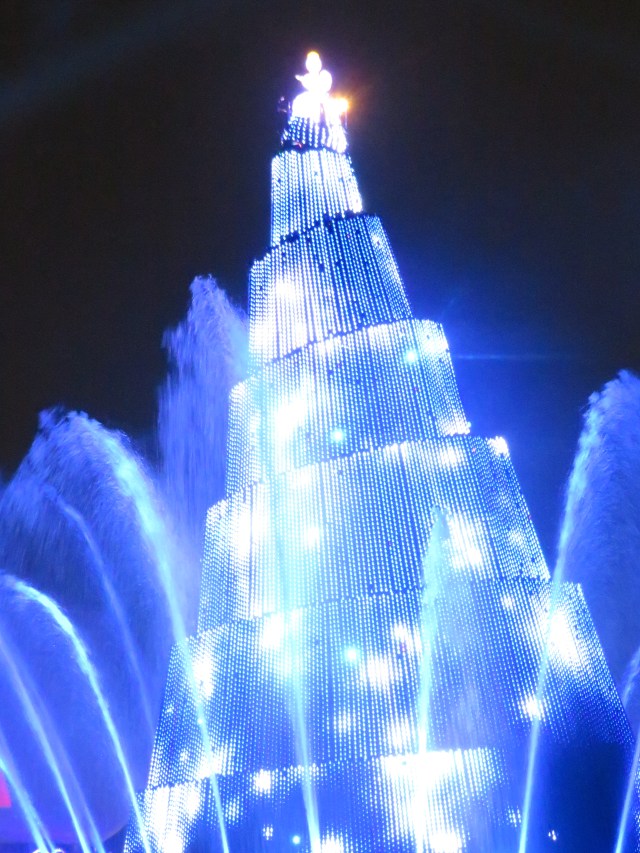
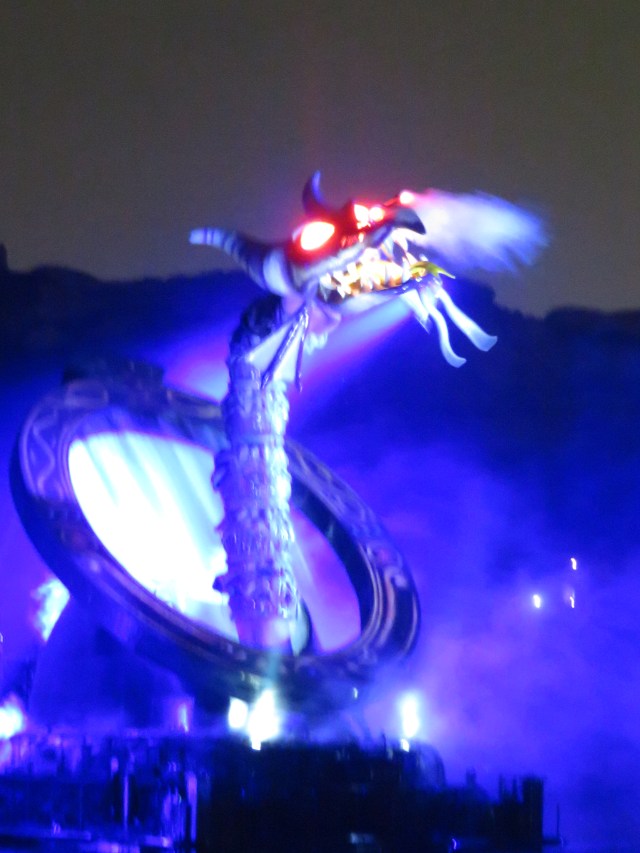
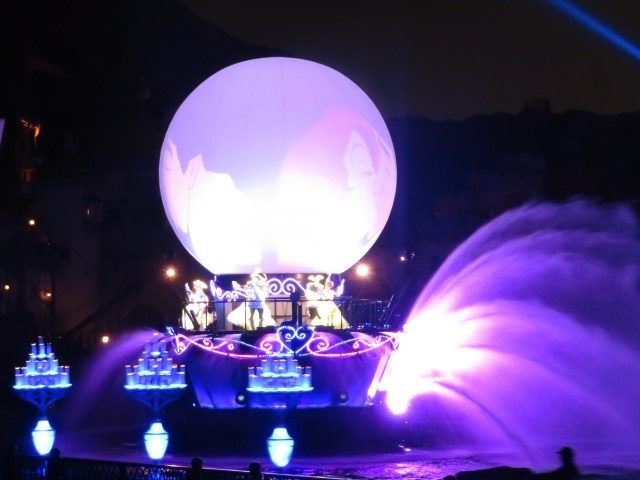
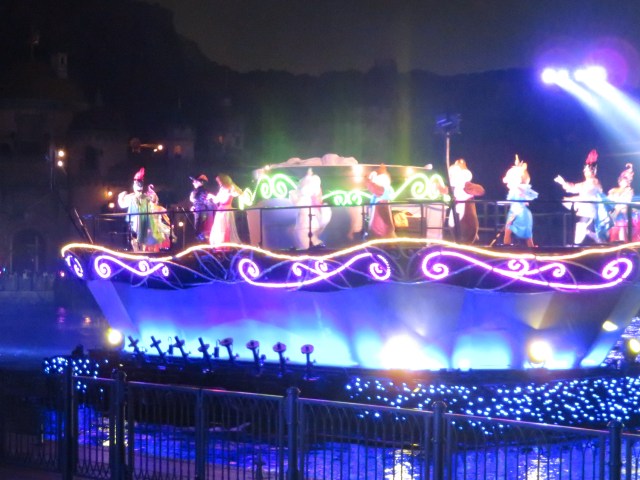
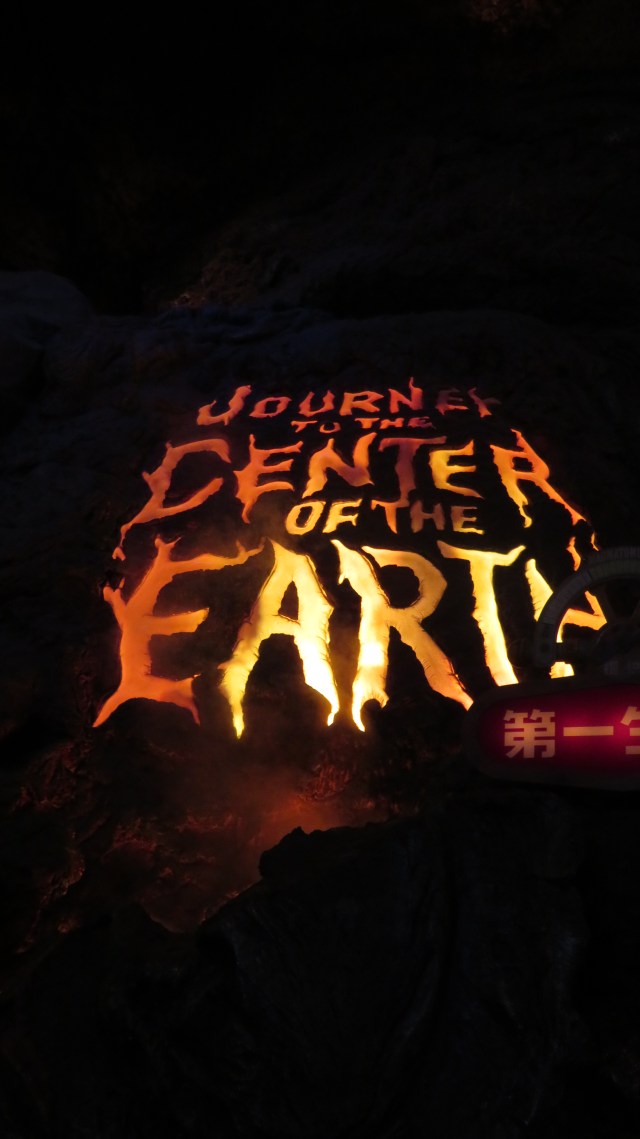
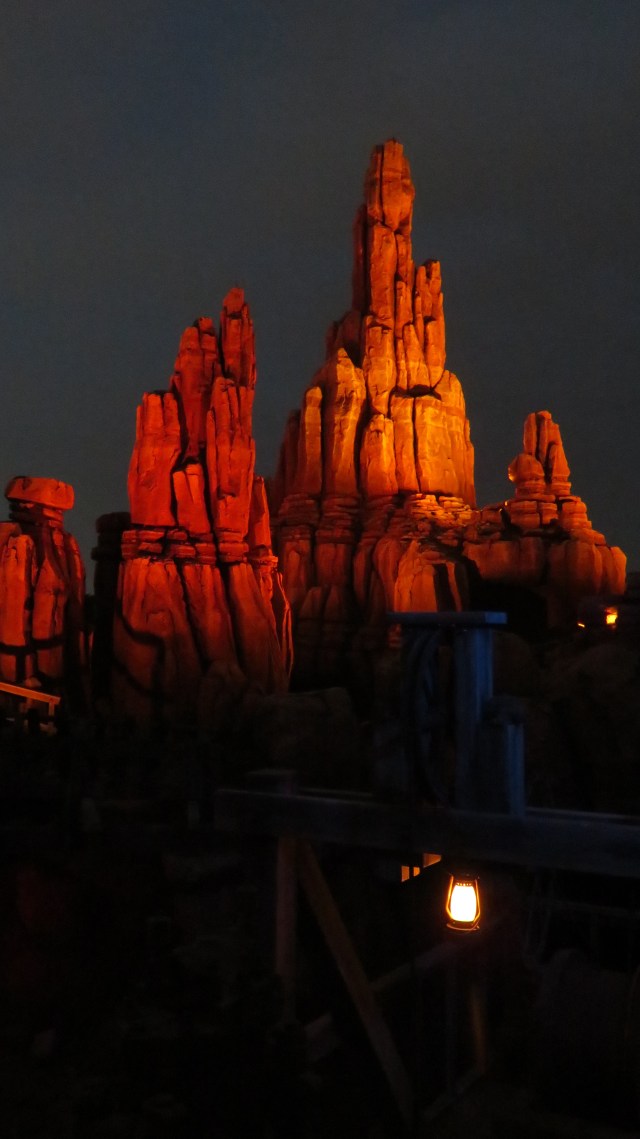
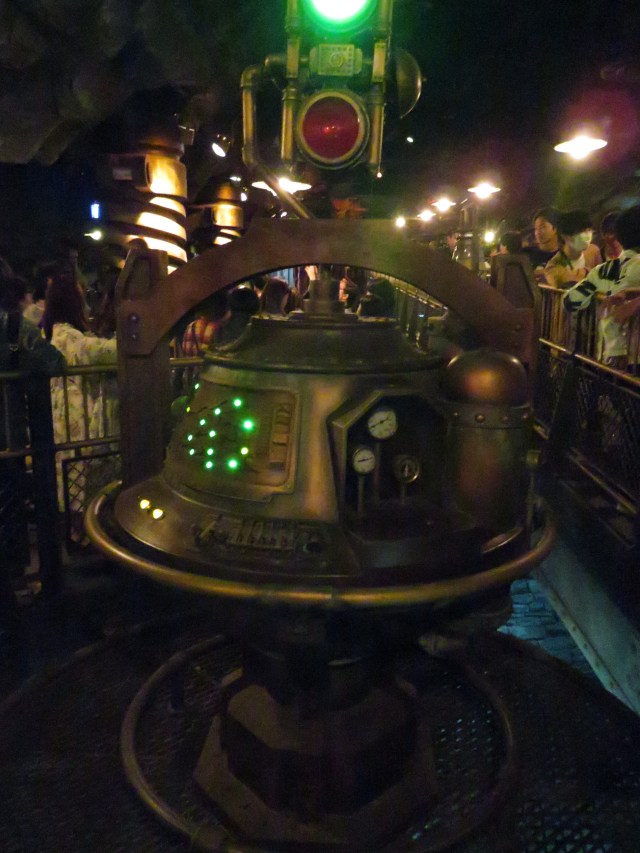 It was a fun ride. The “set” (for want of a better word) was wonderful. Mysterious Island is very steampunk. The inside of the mountain is beautifully done. That is true of every area (or ‘land’) at Disney Sea. Disneyland is cleverly and creatively presented too, of course, but Disney Sea seems (to me, at least) to be a step up.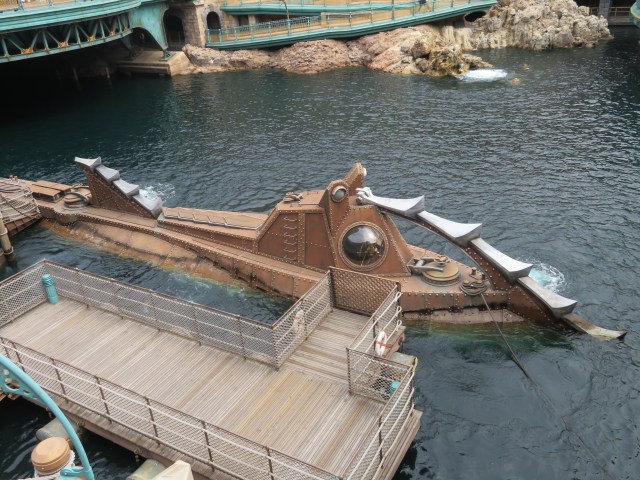
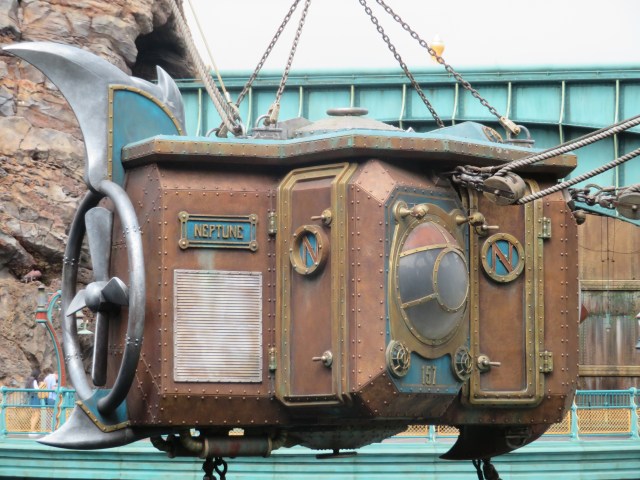 Anyway, the ride was great but, as mentioned, Maeve was ill and was not her usual adventurous self. There was a point where the ride dipped quite steeply and suddenly, and she was not a fan.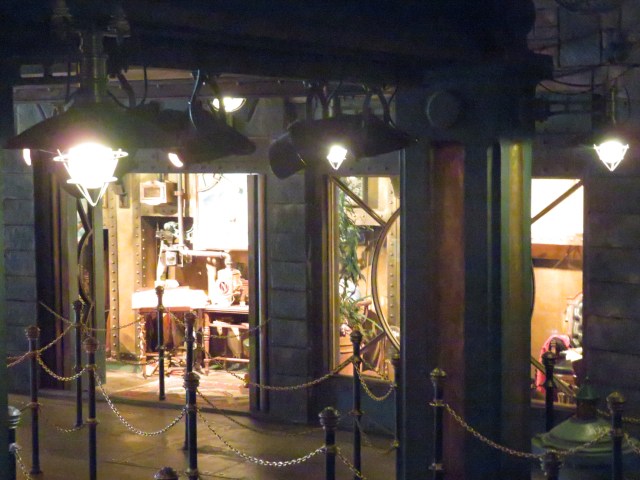
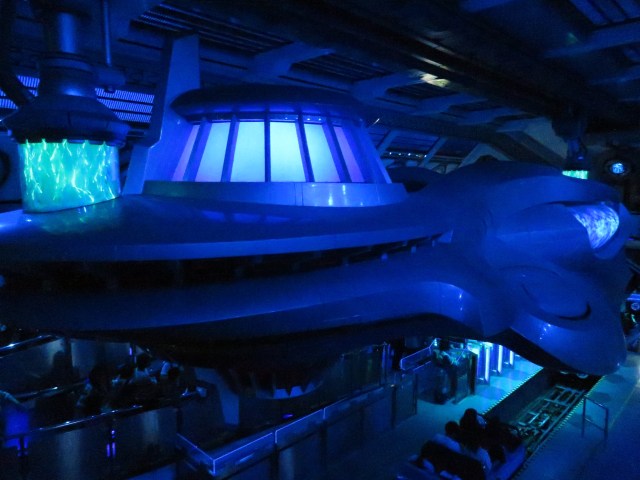
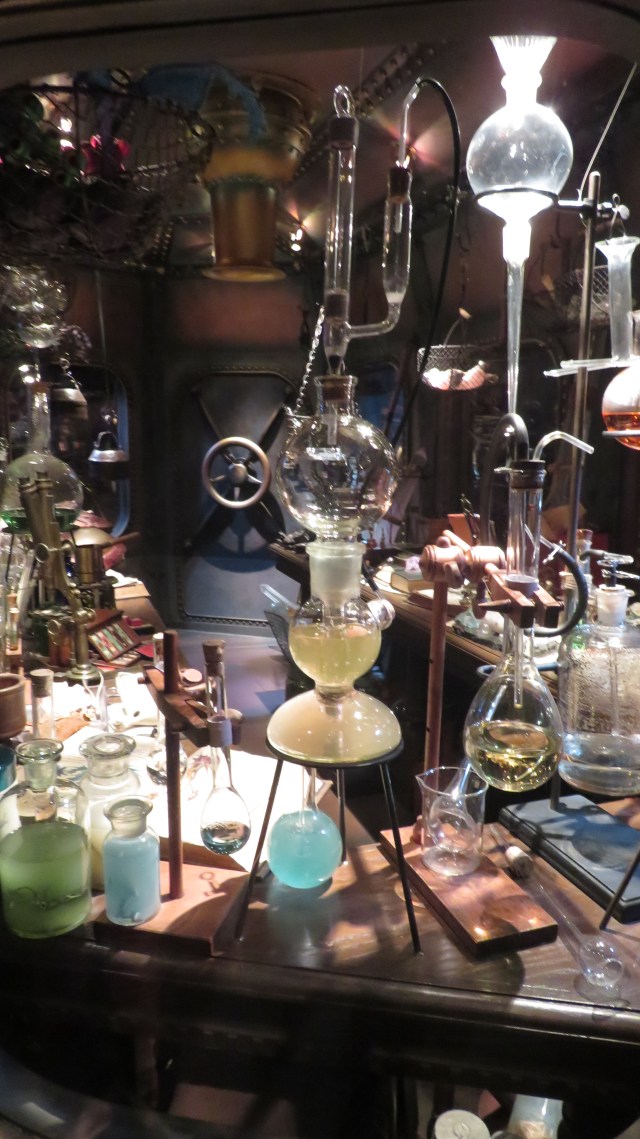 We did 20,000 Leagues next. Not quite as effective. A slower ride – a ‘submarine’ moving slowly through the depths – which means the special effects and set are more easily scrutinised and there isn’t the same thrill aspect you get with something like Journey (which is effectively a roller coaster). But a nice calming down for Maeve.Our fastpasses for Journey were quite early, so we did that again next. Maeve did it again, slightly under protest, but did enjoy it.Took a break at this point to let her have a lie down on a bench (and me) and rest. Morgan went for Tower of Terror fastpasses. We tried curry popcorn. Was surprisingly good.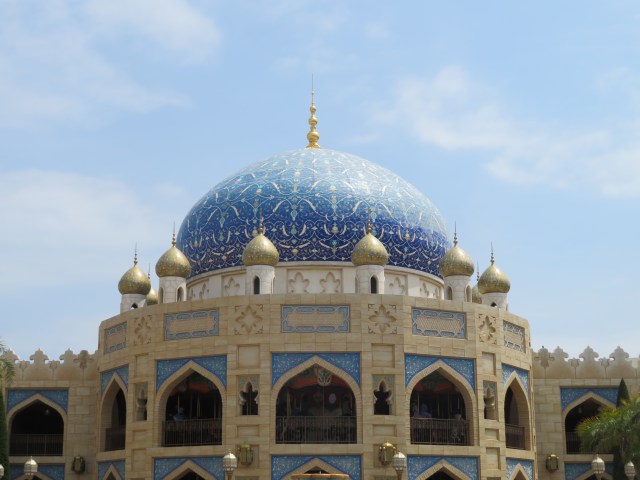
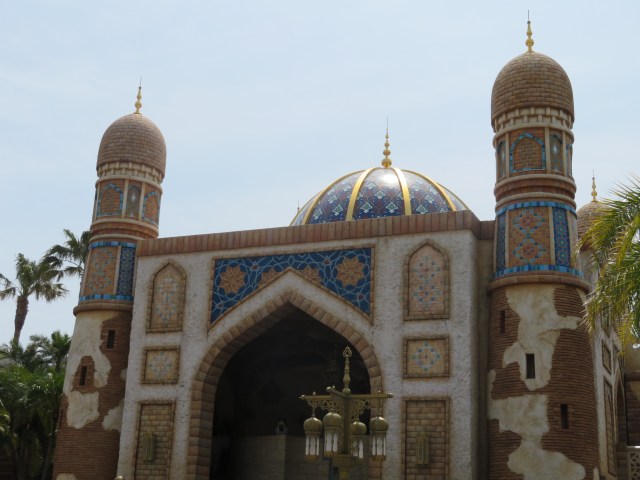
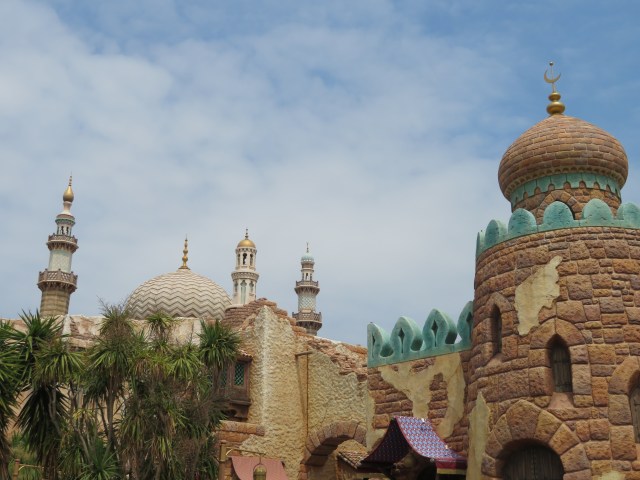 After that we strolled through Arabian Coast (above) and couldn’t say no to Maeve when she asked to go on Jasmine’s Flying Carpet Ride. Pretty tame – round and round, up and down, with someone in your “carpet” controlling the up and down. Maeve loved it.
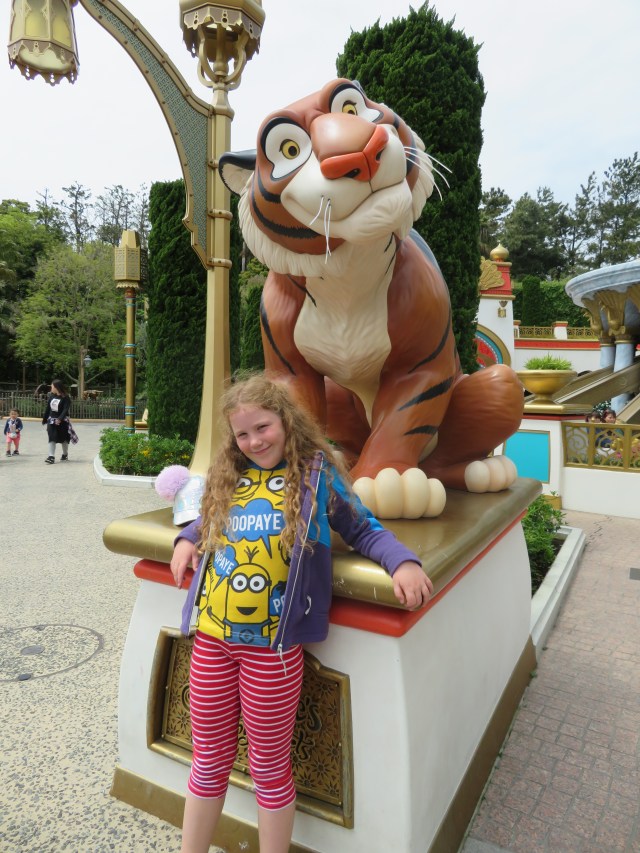 Then we did the Sinbad’s Storybook Voyage – very reminiscent of It’s a Small World: boat, slow, puppets on all sides. Story and singing was all in Japanese but we got the gist. Enjoyable. Relaxing for Maeve.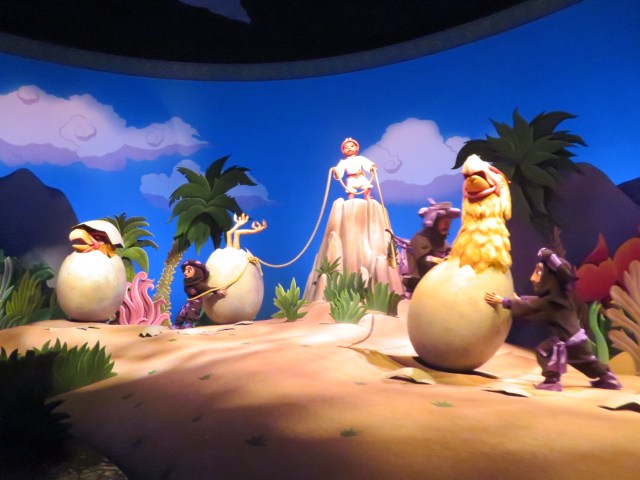
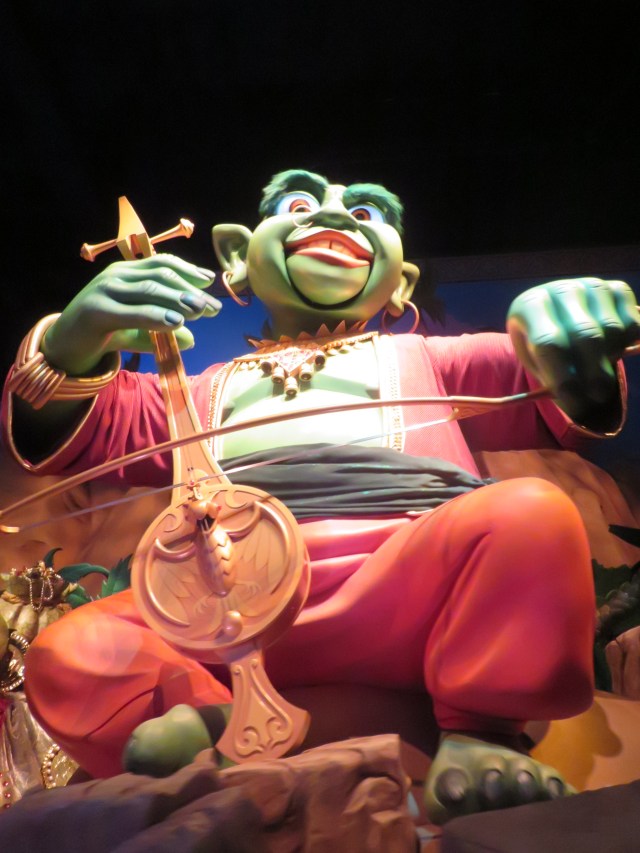
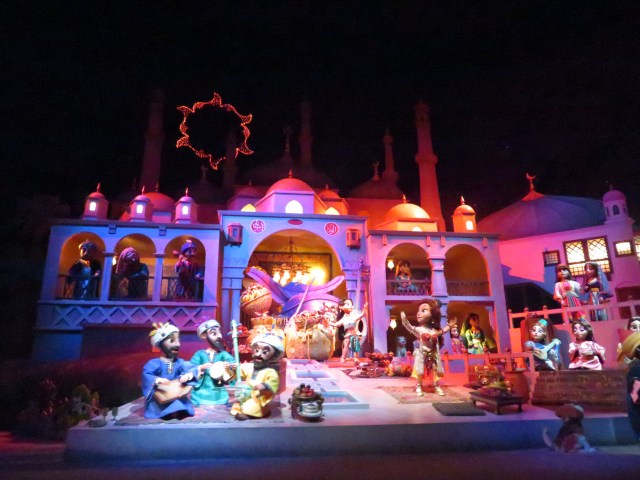
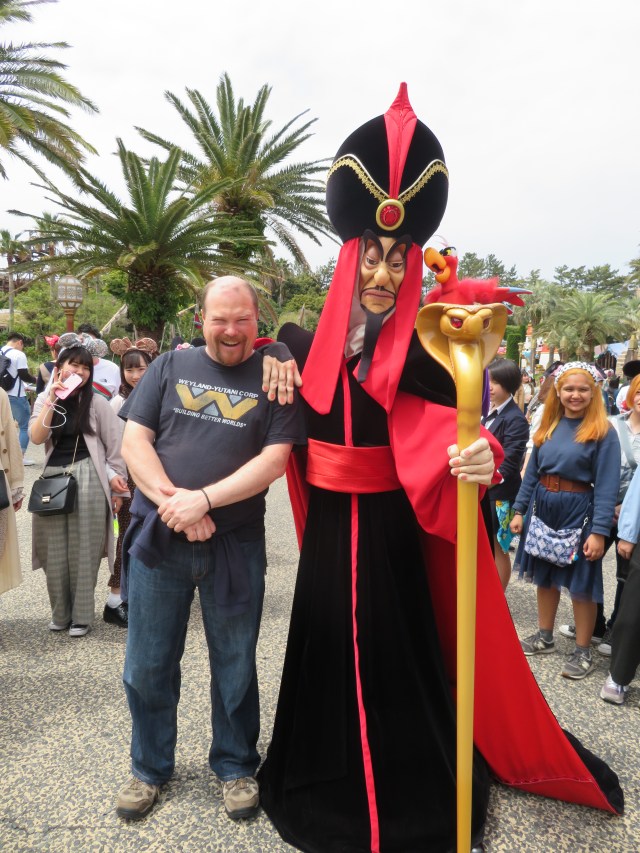
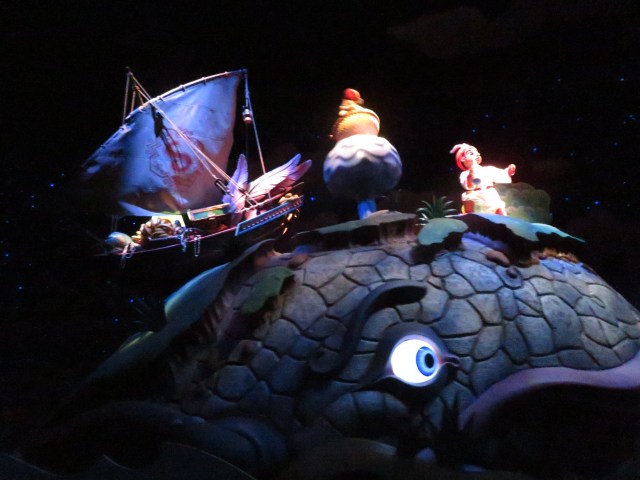 We hadn’t managed to get her to eat any breakfast so I was happy to get her an icecream. The kids both ate icecreams in the sun while Morgan sought a photo with Jafar:
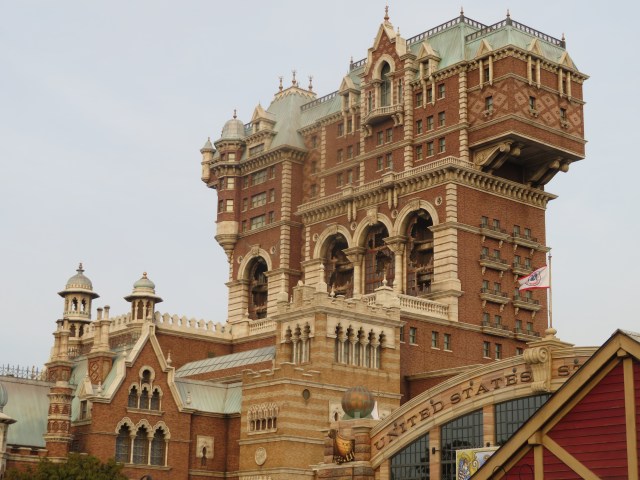
 It was a really warm day – not too humid but very warm in the sun. Maeve and I found a shady spot for her to lie down while the boys went and rode the Tower of Terror on our fastpasses. They really loved it and came out singing its praises. Somehow, they convinced Maeve so she and I rode it together on the two remaining fastpasses. She really enjoyed it – thank goodness – so the boys weren’t in trouble.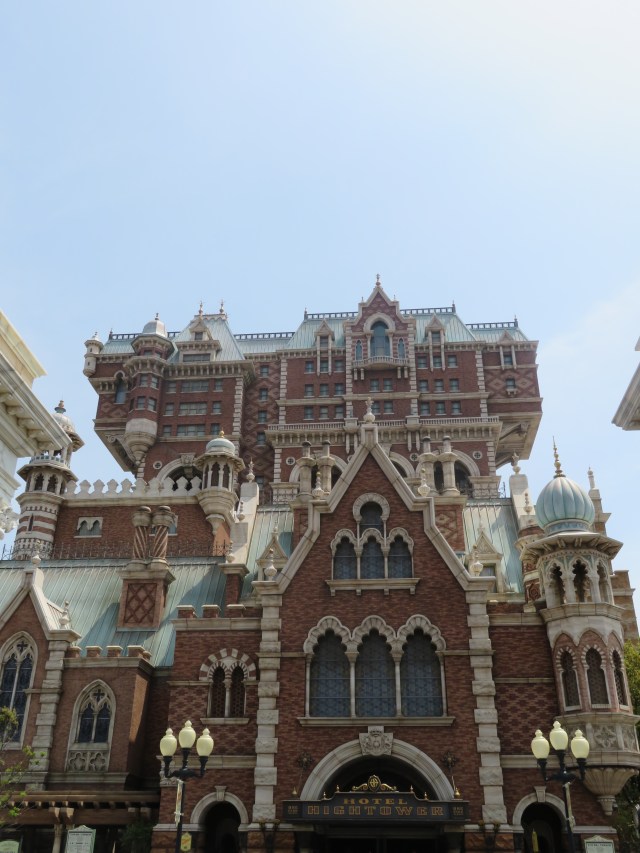
 Took the Electric Railroad back to the other side of the park because it was very difficult to convince Maeve to walk anywhere – she was just too tired and sore. Saw a couple of rides while on that which we wanted to come back to later.We ate lunch at the restaurant in Mysterious Island. They had a lovely allergen-free option but she couldn’t be convinced to eat anything other than plain rice. Said everything tasted horrible. 😦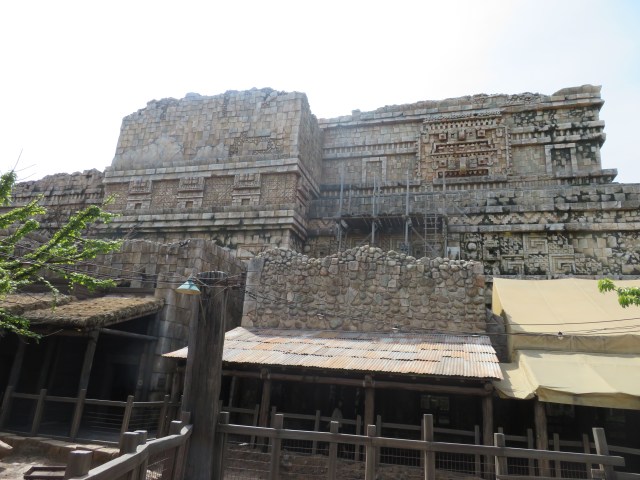
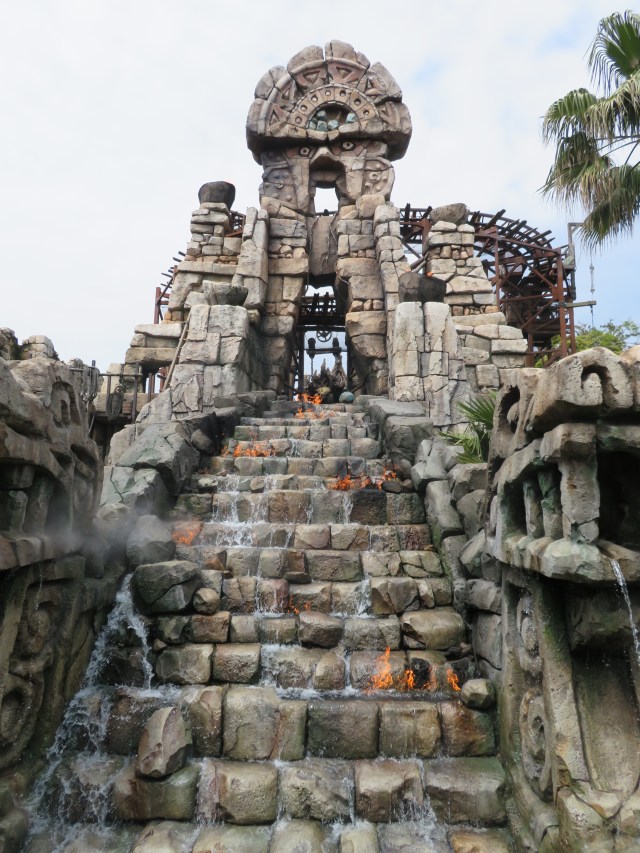 Bit of a rest there and then on to the Lost River Delta to use our latest fastpasses on Raging Spirits. We were a bit disappointed that we hadn’t headed straight for that area first thing in the morning, as the Indiana Jones ride had been going in the morning but from mid-morning was “temporarily closed” for the rest of the day. Bummer.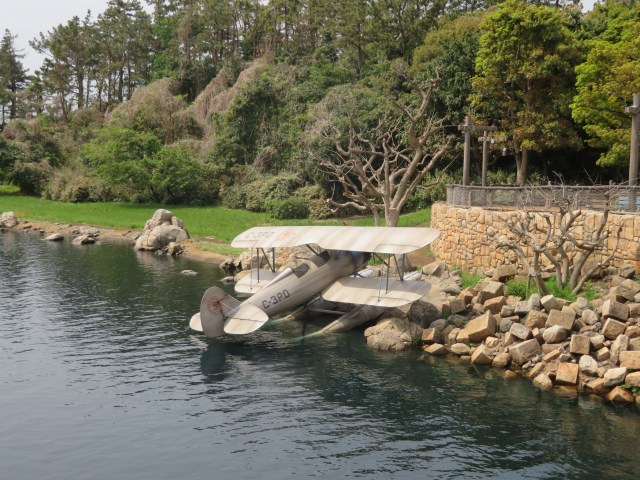
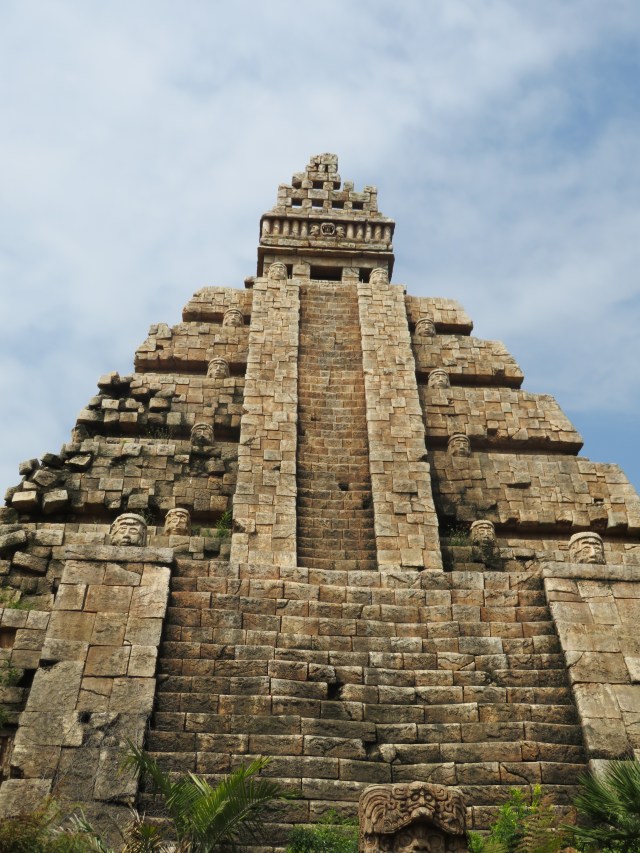
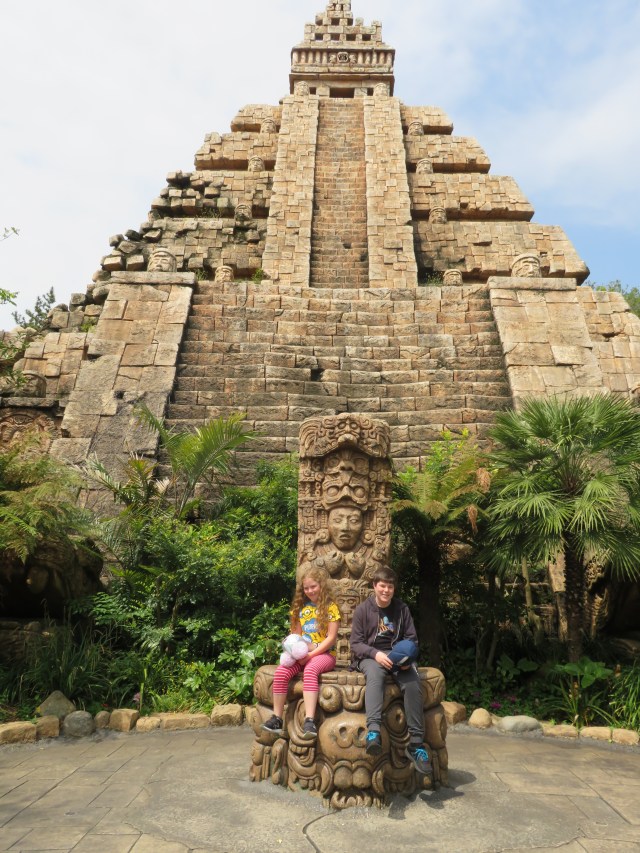 Raging Spirits is a pretty vanilla roller coaster, but does have a (very small) 360 degree loop. Maeve saw that on the sign and wasn’t having a bar of it. This despite having ridden The Flying Dinosaur (with a huge 360) at Universal Studios 4 times. So Corwin and I rode that one, and enjoyed it.
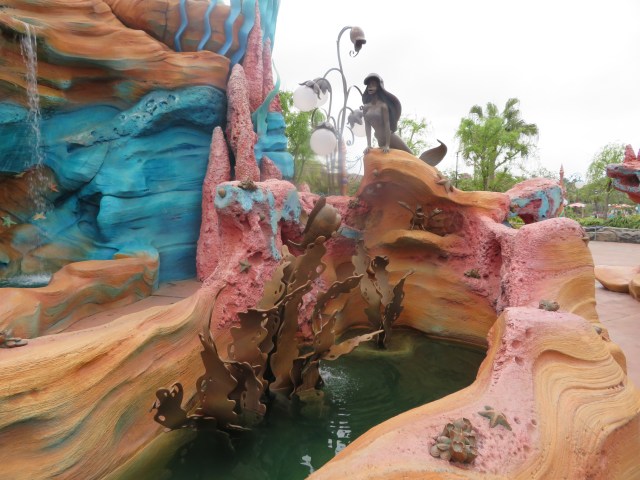 Maeve had been dying to see Mermaid Lagoon, so we headed there next. Found the caramel popcorn and that was that – I can’t imagine eating any other flavour now.
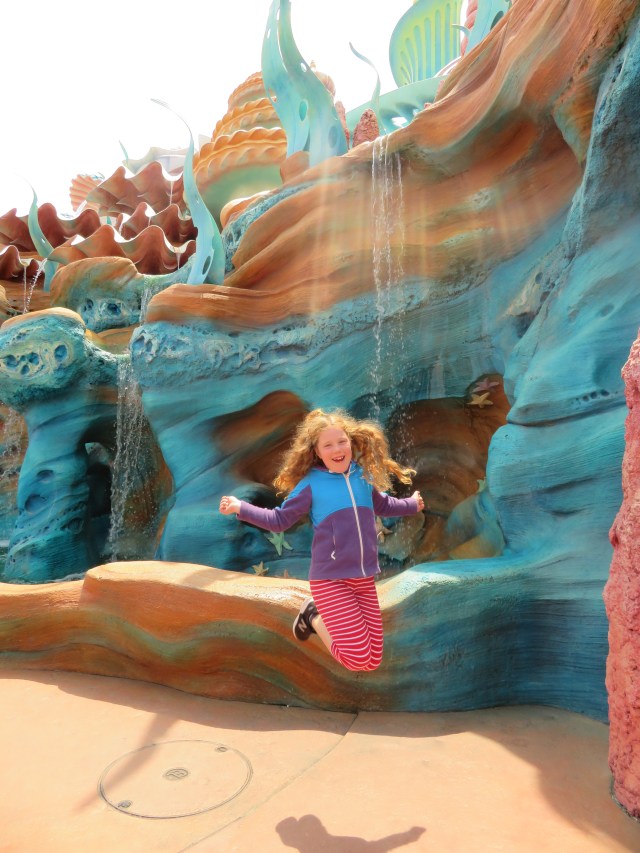 Rode the Flounder Fish Coaster (kids roller coaster – ride possibly less than 1 minute in duration). Made Maeve happy. Wasn’t awful.
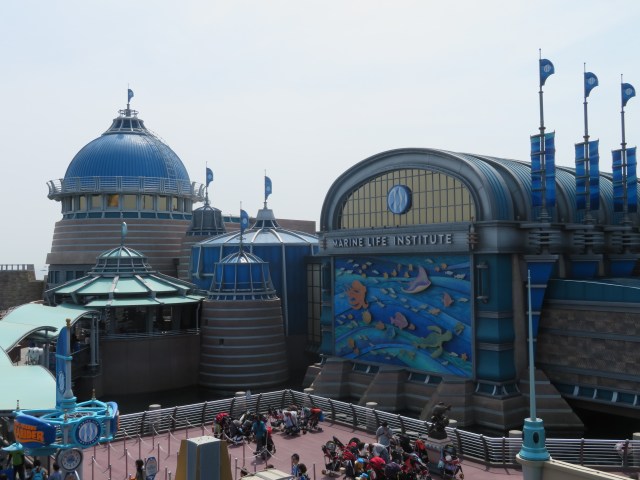 Went on to Port Discovery to try a couple of rides we’d spotted from the Electric Railway. First was Aquatopia. Neat ride – looks very simple but was neat fun. We all loved it. Rode it again straight away.
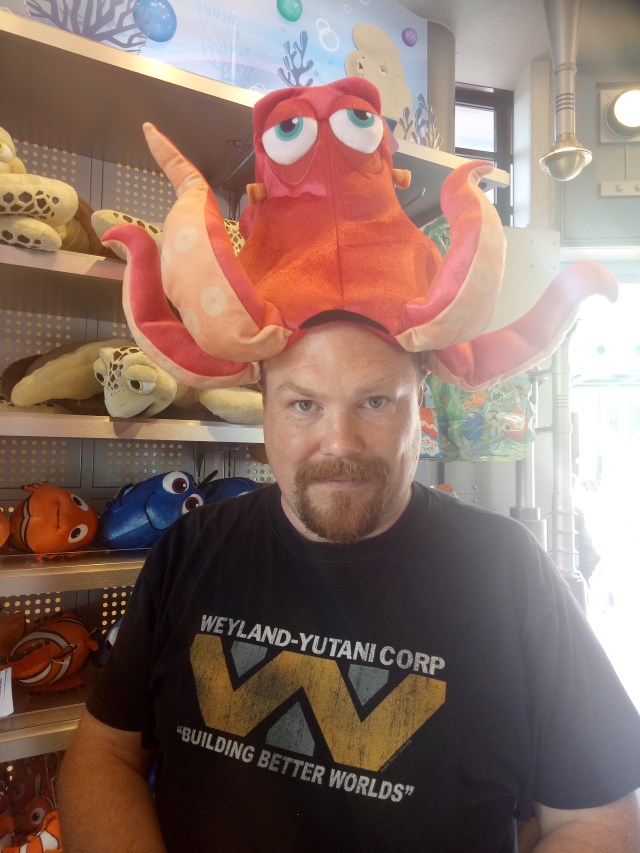 The boys went off to ride Raging Spirits, which Morgan had missed out on earlier. Maeve and I cashed in fastpasses to ride Nemo and Friends – Searider. A good one for Maeve – a simulator ride. In Japanese but easy to follow. Cute. She wanted to take Morgan on it with the two remaining fastpasses so Corwin and I sat it out. I got more caramel popcorn and he got a Nemo churro.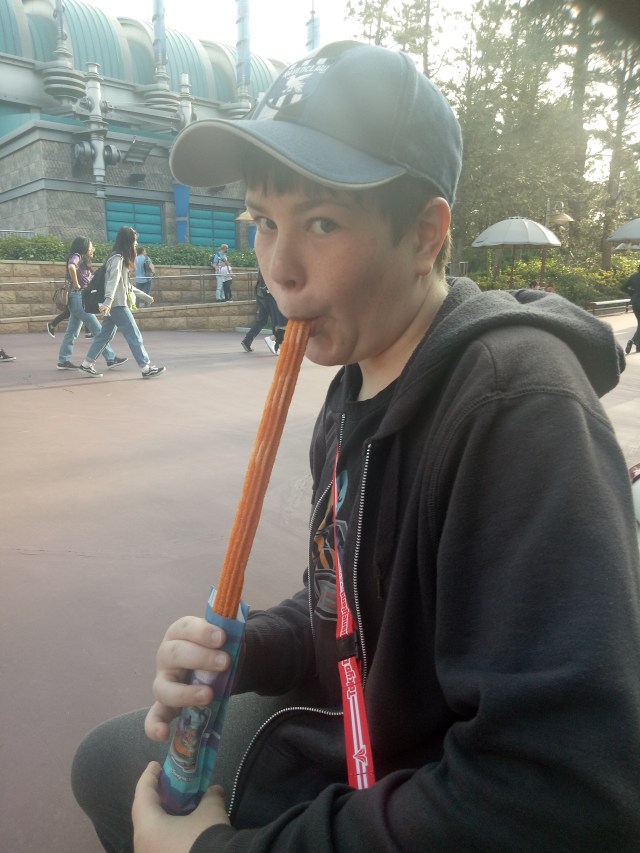
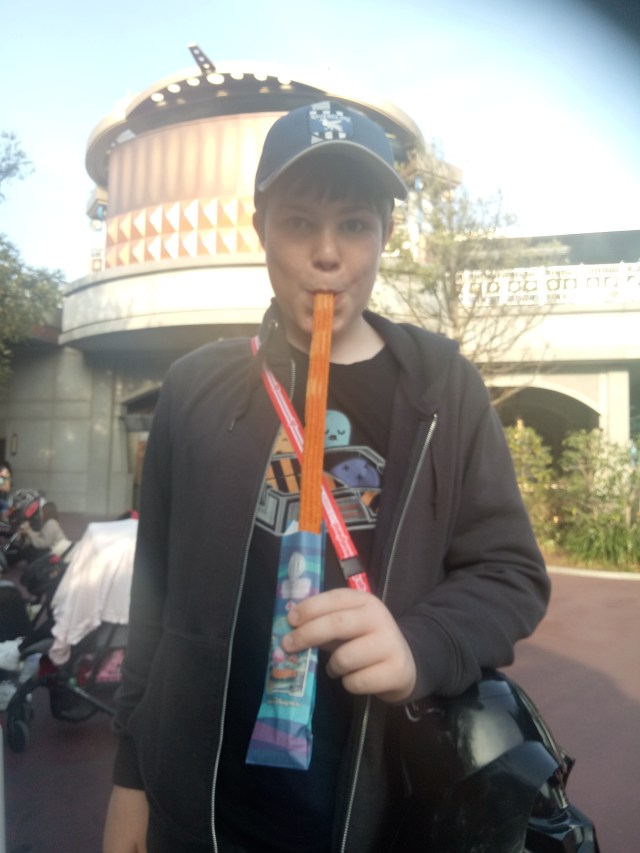 When Maeve got upset at the end of the Nemo ride (because the ‘story’ was different for the one she and Morgan went on, and she wanted him to see the one we’d seen – clearly it rotates through a few story options) we decided to call it a day. She’d done so well to make it to 5pm.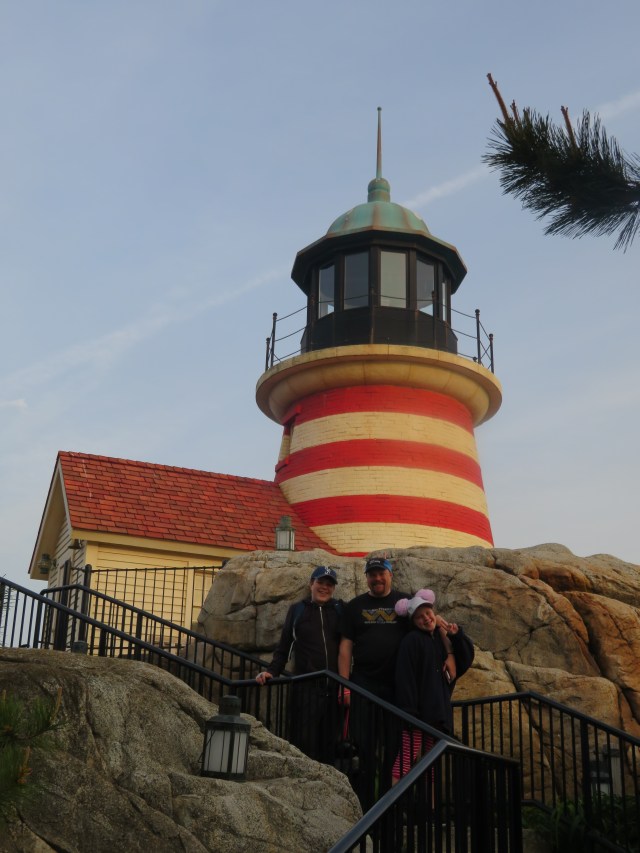



 Golden Happy Fun Time Japan Travel Blog